
Discover the artistry of zero-proof mixology as Toronto’s finest establishments elevate non-alcoholic beverages beyond mere mocktails into sophisticated sensory experiences. Master mixologists now craft complex botanical infusions, house-made tinctures, and artisanal cordials that rival their spirited counterparts in depth and complexity. These innovative libations—featuring rare ingredients like Sichuan peppercorn-infused syrups, smoke-kissed citrus essences, and hand-pressed exotic fruit purées—are transforming the city’s culinary landscape.
Gone are the days of settling for sparkling water with lime. Today’s craft non-alcoholic cocktails incorporate advanced techniques like molecular gastronomy, cold-smoking, and precise temperature control to create layered flavor profiles that complement fine dining experiences. Whether you’re a designated driver, health enthusiast, or simply curious about the bourgeoning zero-proof movement, Toronto’s prestigious restaurants and dedicated non-alcoholic bars now offer sophisticated alternatives that deserve equal billing alongside traditional cocktails.
From delicate aperitifs that stimulate the palate to complex after-dinner creations that provide a fitting finale to memorable meals, these masterfully crafted beverages represent the next frontier in fine dining—where abstaining from alcohol no longer means compromising on taste, presentation, or the overall dining experience.
The Art of Craft Non-Alcoholic Mixology
Premium Ingredients and Techniques
The art of crafting premium non-alcoholic cocktails begins with selecting exceptional ingredients that elevate these beverages beyond simple mocktails. Artisanal botanical extracts, house-made infusions, and small-batch specialty syrups form the foundation of these sophisticated health-conscious drink alternatives. Master mixologists are increasingly incorporating rare ingredients like Sichuan peppercorn-infused honey, Japanese yuzu, and Mediterranean herbs to create complex flavor profiles.
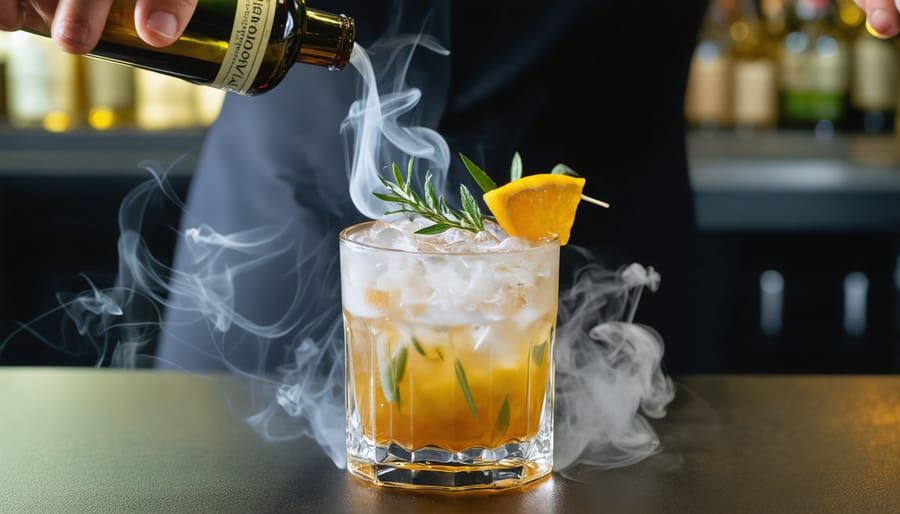
The preparation techniques rival those of traditional cocktails, employing methods such as cold-smoking glassware, utilizing molecular gastronomy elements, and crafting hand-carved ice. Premium non-alcoholic spirits like Seedlip and Lyre’s are carefully balanced with house-made tinctures and fresh-pressed juices, often finished with aromatic garnishes cultivated in rooftop gardens.
Essential to the craft is the precise layering of flavors, achieved through careful measurement and timing. Techniques such as fat-washing with coconut oil, creating citrus oils through compression, and developing custom herb-infused foams demonstrate the sophistication these beverages deserve. Each element is thoughtfully composed to deliver a memorable sensory experience that stands shoulder-to-shoulder with traditional craft cocktails.
Toronto’s Master Non-Alcoholic Mixologists
Toronto’s non-alcoholic mixology scene is led by visionaries who are redefining the art of sophisticated beverages. Dave Mitton, formerly of The Harbord Room, has pioneered innovative techniques using house-made botanical infusions and artisanal shrubs, creating complex flavor profiles that rival traditional spirits.
At BarChef, Christina Veira crafts intricate zero-proof experiences, incorporating molecular gastronomy techniques with locally sourced ingredients. Her signature “Garden of Eden” creation features clarified apple juice, housemade rose water, and aromatic herbs, served with theatrical dry ice presentation.
Robin Goodfellow, the mastermind behind Pretty Ugly Bar, brings his extensive spirits knowledge to create alcohol-free alternatives that maintain the complexity and mouthfeel of classic cocktails. His methodology involves layering different tannins and using fermented ingredients to achieve the characteristic burn associated with spirits.
Rising star Sarah Parniak has developed a following for her innovative use of kombucha, kefir, and custom tinctures at Mother Cocktail Bar, where she offers guided non-alcoholic pairing experiences that complement the venue’s tasting menus.
Signature Non-Alcoholic Cocktail Experiences
Contemporary Canadian Flavors
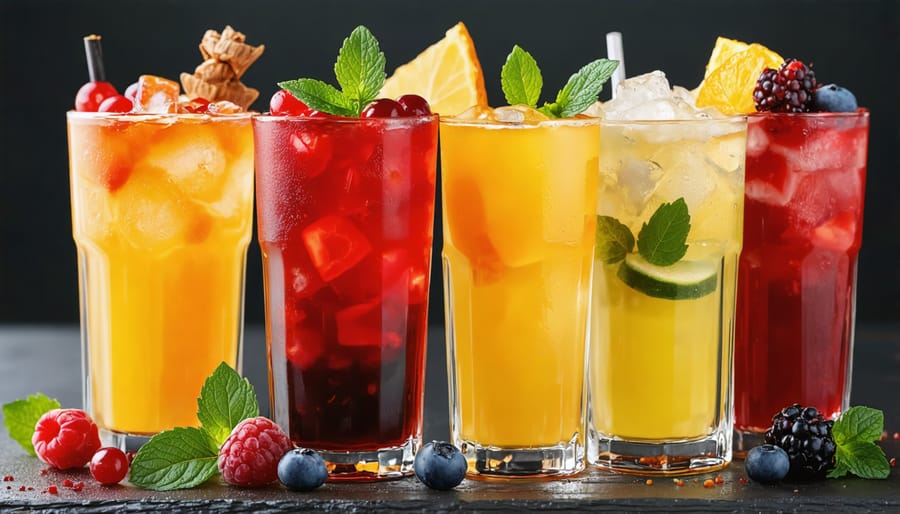
Canada’s unique terroir and diverse culinary heritage shine brilliantly in the contemporary non-alcoholic cocktail scene. Innovative mixologists across Toronto are crafting sophisticated beverages that celebrate distinctly Canadian ingredients, from foraged spruce tips to locally harvested maple water.
At the forefront of this movement, establishments like Nuage Bar showcase drinks featuring Quebec’s iconic ice cider syrup, paired with house-made cedar bitters and wild berry shrubs. Their signature “Northern Lights” mocktail combines pressed cloudberries with birch water and a delicate smoke infusion, creating an ethereal experience that captures the essence of a Canadian forest.
Local ingredients take center stage in creations like the “Muskoka Mist,” which blends pressed Ontario cranberries with sophisticated botanical extracts and wild mint. The “Prairie Dawn” celebrates Western Canada’s agricultural bounty, featuring Saskatchewan-grown Sea Buckthorn berries and locally sourced honey, finished with aromatic sage.
Indigenous influences appear in thoughtfully crafted beverages incorporating traditional ingredients like sweetgrass, sumac, and wild rose hips. The “First Nations Forest” at Terra Rouge combines these heritage elements with modern techniques, offering a contemplative sip of Canadian history.
These contemporary Canadian mocktails not only provide sophisticated alternatives to traditional cocktails but also tell the story of our land through carefully curated ingredients and innovative preparation methods.
Global Influences
Toronto’s craft non-alcoholic cocktail scene has evolved into a vibrant tapestry of global influences, with mixologists drawing inspiration from traditional beverages across continents. At Maple Leaf House, acclaimed beverage director Sarah Chen crafts her signature “Tokyo Sunset,” combining yuzu, ceremonial-grade matcha, and house-made cherry blossom cordial, exemplifying the artistry of Japanese-inspired refreshments.
The city’s diverse cultural landscape has given rise to compelling fusion drink experiences, where traditional methodologies meet contemporary techniques. Notable examples include Bar Verde’s “Persian Garden,” featuring saffron-infused botanical water, rose essence, and cardamom-honey syrup, garnished with dried rose petals and pistachios.
Latin American influences shine at Cantina Social, where house-made tepache and tamarind-based concentrates form the foundation of sophisticated alcohol-free libations. Their “Maya’s Nectar” combines fermented pineapple essence with smoked chili bitters and fresh lime, topped with sparkling botanical water.
Middle Eastern traditions find expression at Azure, where mixologist Ahmad Hassan creates complex beverages using ingredients like sumac, orange blossom water, and date syrup. His “Damascene Dreams” layers house-made pomegranate molasses with preserved lemon and aromatic herbs, offering a sophisticated alternative to conventional cocktails while honoring centuries-old flavor profiles.
Seasonal Specialties
Toronto’s finest establishments take pride in crafting non-alcoholic cocktails that celebrate the changing seasons, offering menus that evolve with nature’s bounty. During the crisp autumn months, venues like Yorkville’s Atlas showcase complex beverages featuring local apple varieties, warming spices, and house-made maple shrubs. Their signature “Autumn Meditation” combines pressed Empire apples with cardamom-infused tea and toasted oak essence.
Winter brings forth rich, warming concoctions that embrace the festive spirit. Notable spots like The Pearson Room introduce innovative creations featuring winter berries, aromatic pine, and artisanal chocolate. Their “Winter Solstice” masterpiece pairs house-made chestnut orgeat with smoked vanilla and crushed juniper.
As spring emerges, establishments pivot to bright, botanical-forward offerings. Mother’s expertly crafts drinks highlighting fresh herbs from their rooftop garden, while Richmond Station presents delicate cherry blossom-infused creations that capture the essence of the season.
Summer menus burst with vibrant locally-sourced ingredients. King Street Social’s rotating selection features garden-fresh cucumber, heritage tomatoes, and edible flowers, while Bar Raval’s summer menu showcases complex fermented fruit combinations and house-made botanical tinctures.
These seasonal offerings not only reflect the city’s culinary innovation but also demonstrate how non-alcoholic cocktails can rival their spirited counterparts in sophistication and complexity.
Expert Pairing Recommendations
Complementary Flavor Profiles
Mastering the art of craft non-alcoholic cocktails requires a deep understanding of food and drink pairings and flavor harmonies. The key lies in balancing five fundamental taste elements: sweet, sour, bitter, salty, and umami. Each component plays a crucial role in creating a sophisticated beverage that rivals its spirited counterparts.
Consider the interplay between citrus and botanical notes—yuzu’s bright acidity perfectly complements the earthy depth of sage or rosemary. Herbaceous elements like fresh basil or thyme can elevate fruit-forward compositions, while spice notes from ginger or pink peppercorn add complexity and warmth. House-made shrubs, combining vinegar with seasonal fruits, provide both acid brightness and subtle sweetness that creates length on the palate.
For depth and complexity, look to ingredients like maple smoke, roasted tea, or cold-brew coffee. These elements contribute tannic structure and perceived weight, characteristics traditionally provided by aged spirits. Bitter components, such as gentian root or non-alcoholic aperitif bases, add sophisticated layers that stimulate the palate.
When crafting these compositions, consider texture as well. Egg white alternatives like aquafaba or specialty foaming agents can create silky mouthfeel, while carbonation adds effervescence and helps carry aromatic elements. Fresh-pressed juices provide body and richness that simple syrups alone cannot achieve.
The most successful combinations often mirror classical cocktail structures—think of a non-alcoholic Negroni’s balance of bitter, sweet, and botanical elements, or how a virgin Moscow Mule harmonizes spicy ginger with lime’s brightness and subtle sweetness.
Course-by-Course Suggestions
Begin your culinary journey with an aperitif-style mocktail featuring botanical-infused sparkling water paired with light appetizers. A citrus-forward blend of yuzu, fresh herbs, and house-made tonic perfectly complements delicate seafood starters or light salads, cleansing the palate while enhancing subtle flavors.
For the first course, consider a complex blend of roasted carrot juice, ginger, and cardamom, finished with coconut foam. This earthy combination works beautifully with robust soups or warm appetizers, particularly those featuring root vegetables or mushrooms.
Moving to main courses, bold flavors take center stage. For red meat dishes, opt for a sophisticated blend of black grape juice, aged balsamic, and smoked rosemary, offering the complexity typically found in red wine. With poultry or lighter proteins, a combination of fresh pressed apple, sage, and vanilla bean provides elegant accompaniment without overwhelming the dish.
Seafood mains call for bright, coastal-inspired mocktails. Consider a blend of cucumber essence, fresh mint, and elderflower, finished with a splash of preserved lemon. This combination mirrors the maritime freshness of the dish while adding complementary herbal notes.
For dessert pairings, embrace rich, indulgent components like house-made coffee reduction, dark chocolate bitters, or caramelized fig syrup. A mocktail combining spiced honey, roasted pear puree, and fresh cream creates a decadent finale that enhances rather than competes with your chosen dessert.
Remember to consider temperature and texture in your pairings – effervescent drinks can cut through rich dishes, while smooth, fuller-bodied mocktails complement heartier fare.
Where to Experience
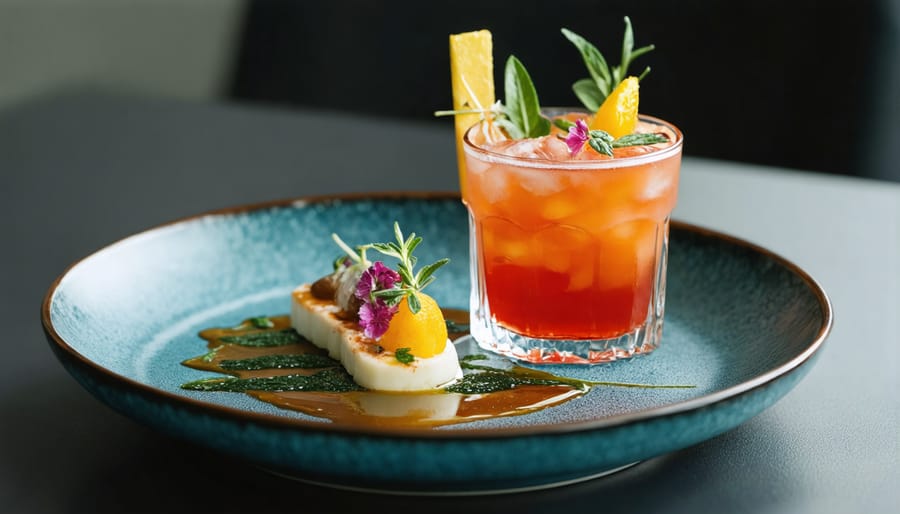
Toronto’s vibrant culinary scene has embraced the craft non-alcoholic cocktail movement with exceptional creativity and sophistication. Among Toronto’s finest dining establishments, several venues stand out for their innovative alcohol-free beverage programs.
Pearle Hospitality’s Bread Bar, nestled in the historic Thompson Hotel, offers an extensive selection of botanical-forward mocktails, including their signature “Garden of Eden” – a harmonious blend of house-made rose cordial, fresh cucumber, and sparkling yuzu tonic. Their skilled mixologists craft each drink with the same precision and artistic presentation as their spirited counterparts.
At Alo, Chef Patrick Kriss’s acclaimed restaurant, the non-alcoholic pairing menu rivals their wine program in complexity and refinement. The establishment’s “Elements” series features drinks that complement their tasting menu through sophisticated techniques like smoke infusion and molecular gastronomy.
Mother’s sophisticated approach to alcohol-free libations showcases locally-sourced ingredients and house-made ferments. Their “Northern Lights” mocktail, combining Nordic-inspired botanicals with Canadian maple and birch water, exemplifies their commitment to terroir-driven beverages.
Grey Gardens in Kensington Market presents an impressive selection of craft cordials and innovative alcohol-free options. Their rotating seasonal menu features creative combinations like fermented honey tea with preserved citrus and aromatic herbs, perfectly complementing their contemporary cuisine.
Richmond Station’s dedicated zero-proof menu demonstrates that premium non-alcoholic beverages deserve equal attention alongside traditional cocktails. Their “Market Fresh” program utilizes seasonal ingredients from nearby St. Lawrence Market to create sophisticated, garden-to-glass offerings.
For those seeking an exclusively non-alcoholic experience, Temperance, Toronto’s first dedicated alcohol-free bar and bottle shop, offers an extensive menu of craft mocktails and provides expert guidance on recreating these beverages at home.
The evolution of craft non-alcoholic cocktails in Toronto’s dining scene represents a sophisticated revolution in how we approach premium beverages. Master mixologists across the city have elevated alcohol-free libations to an art form, creating complex flavor profiles that rival their spirited counterparts. The growing demand for these refined alternatives reflects a broader cultural shift toward mindful consumption without sacrificing the elegance of the dining experience. From innovative botanical infusions to house-made fermented beverages, Toronto’s establishments are setting new standards in non-alcoholic craft cocktails. As this movement continues to flourish, it’s clear that these sophisticated offerings are not merely a trend but a permanent and celebrated fixture in the city’s culinary landscape, providing discerning patrons with an elevated drinking experience that transcends traditional boundaries.