
Imagine tracing a single premium truffle from an Italian forest to your plate at Toronto’s finest restaurant, with every step of its journey verified and immutable. Blockchain technology is revolutionizing supply chain management by creating an unbreakable chain of digital records that tracks products from origin to consumption. For discerning diners and culinary professionals, this breakthrough represents more than just technological innovation—it’s a gateway to unprecedented food authenticity and safety.
In the high-stakes world of premium ingredients, where provenance matters as much as taste, blockchain serves as a digital ledger that captures every handoff, temperature change, and certification in real-time. Like a sophisticated wine’s certification of origin, blockchain provides an irrefutable story of each product’s journey, ensuring that when you order that $200 Wagyu steak or rare vintage wine, you’re getting exactly what you paid for.
This transparent, tamper-proof system is transforming how luxury restaurants source their ingredients and how educated consumers make dining choices, creating a new standard of accountability in the culinary world where every bite comes with a verified pedigree.
The Technology Behind Food Supply Chain Transparency

Decentralized Ledger Technology
At the heart of blockchain technology lies a sophisticated decentralized ledger system that revolutionizes how we track and verify transactions in the culinary world, much like how modern restaurant technology has transformed dining experiences. This distributed database creates an unalterable chronicle of every transaction and movement within the supply chain, from vineyard to wine glass, or farm to plate.
Each transaction forms a ‘block’ containing crucial information such as timestamps, location data, and product details. These blocks are cryptographically linked together, creating a chain of information that cannot be altered without changing all subsequent blocks – making fraud virtually impossible. When a premium wagyu beef supplier in Japan, for instance, records a shipment, that information becomes permanently etched in the blockchain’s digital fabric.
What makes this system particularly robust is its distributed nature – identical copies of the ledger exist across multiple computers or ‘nodes’ in the network. This redundancy ensures that no single party can manipulate records without consensus from other participants, providing unprecedented transparency and trust in our food supply chains.
Smart Contracts in Food Tracking
Smart contracts in food supply chain tracking represent a sophisticated evolution in how premium ingredients are sourced and verified. These self-executing contracts, embedded within blockchain technology, automatically enforce agreements between suppliers, distributors, and fine dining establishments without the need for intermediaries.
Consider a premium wagyu beef transaction: when the meat arrives at a Toronto restaurant, IoT sensors verify the temperature conditions during transit. If all parameters match the predetermined requirements—from farm certification to proper refrigeration—the smart contract automatically releases payment to the supplier. Should any conditions fall short of the established standards, the contract halts the transaction, protecting both the restaurant’s investment and their guests’ dining experience.
These automated systems are particularly valuable for establishments dealing with delicate ingredients like truffles or rare seafood, where timing and handling are crucial. Smart contracts create an unalterable record of compliance with food safety standards, organic certifications, and sustainable sourcing practices—elements that discerning diners increasingly demand when selecting their dining destinations.
The integration of smart contracts also streamlines the verification of wine provenance, ensuring that each bottle in a restaurant’s cellar has a documented journey from vineyard to table.
Real-World Applications in Toronto’s Food Scene
Farm-to-Table Verification
In Toronto’s innovative dining scene, premium restaurants are leveraging blockchain technology to authenticate the journey of ingredients from farm to table. This sophisticated system creates an immutable digital ledger that tracks every step of an ingredient’s journey, from the moment it’s harvested to its final presentation on the plate.
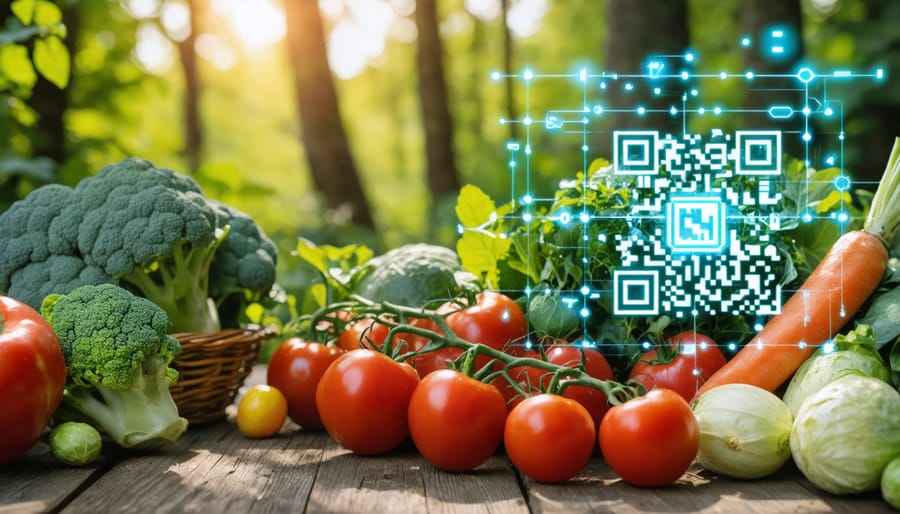
At establishments like Alo and Edulis, each supplier interaction is recorded on the blockchain, allowing chefs to verify the provenance of their carefully curated ingredients. When a diner orders the heritage Berkshire pork or line-caught Arctic char, the restaurant can provide real-time access to the complete history of these premium ingredients through a simple QR code scan.
The blockchain records crucial data points such as harvest dates, transportation conditions, and temperature controls throughout the supply chain. For instance, when serving pristine Fogo Island cod, restaurants can demonstrate the exact time of catch, the fishing vessel’s credentials, and the precise handling methods used to maintain optimal freshness.
This technological innovation particularly resonates with oenophiles and gastronomes who appreciate the authenticity of their dining experience. From small-batch organic produce to artisanal cheese producers, each supplier’s story becomes part of a verified narrative, enhancing the dining experience while ensuring the highest standards of quality and authenticity.
Wine Authentication Systems
In the world of fine wines, authenticity and provenance are paramount concerns for collectors and connoisseurs. Blockchain technology has emerged as a revolutionary solution for wine authentication, offering an immutable digital ledger that tracks each bottle from vineyard to table. Premium wineries are now embedding NFC tags and unique digital identifiers into their bottles, which, when scanned, reveal the complete journey of the wine through the supply chain.
This sophisticated system not only verifies authenticity but also monitors crucial wine storage technology parameters throughout transportation and storage. Temperature fluctuations, humidity levels, and light exposure are recorded in real-time on the blockchain, ensuring that each bottle arrives in optimal condition. For collectors, this means unprecedented access to their wine’s complete history, from harvest dates to cellar conditions.
Leading Toronto establishments have embraced this technology, offering guests the ability to authenticate their selections tableside. By simply scanning the bottle with a smartphone, diners can explore the wine’s journey, including its origin, vintage verification, and storage conditions. This transparency has particularly resonated with collectors who invest in rare vintages and limited-production wines, providing them with absolute confidence in their acquisitions while adding an engaging educational element to their dining experience.
Benefits for Restaurants and Consumers
Enhanced Food Safety
Blockchain technology revolutionizes food safety by creating an immutable record of every touchpoint in the supply chain, from farm to table. Each ingredient’s journey is documented with precise timestamps, temperature logs, and handling procedures, making it virtually impossible to introduce fraudulent products into the supply chain without detection.
In premium dining establishments, this translates to unprecedented quality assurance. When a chef sources truffles from Alba or wagyu from Japan, blockchain verification ensures the authenticity of these precious ingredients. Temperature-sensitive items like fine wines and caviar benefit from continuous monitoring, with any deviation from optimal conditions immediately flagged and recorded.
The system also enables rapid response to food safety concerns. Should a quality issue arise, restaurants can instantly trace the affected ingredients to their source, identifying exactly when and where the problem occurred. This level of transparency not only protects diners but also preserves the reputation of establishments committed to excellence.
For discerning patrons, this means every carefully curated dish comes with a verified pedigree of quality and authenticity, elevating the dining experience through technology-assured excellence.
Consumer Trust and Engagement
Blockchain technology has revolutionized the way diners interact with their food journey, fostering unprecedented levels of trust and engagement in Toronto’s premium dining scene. Through QR codes and interactive digital interfaces, guests can now trace their meal’s journey from farm to table, creating enhanced dining experiences that go beyond mere sustenance.
When patrons scan their dish’s unique code, they unlock a wealth of information about their meal’s provenance – from the harvest date of their heirloom tomatoes to the specific fishing vessel that caught their wild-caught salmon. This transparency has transformed the way guests appreciate their dining experience, creating meaningful connections between producers, chefs, and diners.
The verifiable nature of blockchain records has particularly resonated with Toronto’s discerning clientele, who increasingly seek authenticity in their culinary adventures. Restaurant sommeliers report that guests show heightened interest in wines with blockchain-verified origins, while chefs note that customers are more engaged when they can access the complete story behind their carefully curated ingredients.
Blockchain technology is revolutionizing food supply chain transparency, offering unprecedented visibility from farm to table. Through immutable digital records, diners can now trace the journey of their premium ingredients with absolute certainty, fostering trust between producers, restaurants, and discerning patrons. As Toronto’s culinary scene continues to embrace this innovation, we’re witnessing a transformation in how fine dining establishments validate and showcase their sourcing practices. Looking ahead, blockchain promises to further enhance food safety, reduce fraud, and enable real-time tracking of artisanal products. This technological evolution not only satisfies the growing demand for authenticity among sophisticated diners but also sets new standards for excellence in the global food industry, ensuring that the provenance of exceptional ingredients remains as impressive as their presentation on the plate.