
In the timeworn workshops of master craftspeople and the bustling ateliers of modern makers, artisanal culture thrives as a powerful rebuke to mass production. This renaissance of handcrafted excellence, deeply rooted in Toronto’s cultural mosaic, represents more than mere nostalgia—it embodies a sophisticated return to authenticity and uncompromising quality. From small-batch distilleries aging spirits in century-old barrels to third-generation chocolatiers tempering single-origin cacao by hand, today’s artisans merge time-honored techniques with contemporary innovation. This movement transcends simple production methods; it celebrates the intimate connection between maker and material, the preservation of traditional knowledge, and the elevation of everyday objects into expressions of cultural heritage. As consumers increasingly seek meaning beyond mere consumption, artisanal practices offer a compelling narrative of provenance, purpose, and profound respect for craft that resonates deeply with those who value excellence in its most authentic form.
The Revival of Old-World Baking in Toronto’s Cultural Hubs
European Heritage Bakeries
In Toronto’s vibrant culinary landscape, European heritage bakeries stand as testament to immigrant family traditions that have enriched our city’s gastronomic tapestry. These artisanal establishments, many spanning three generations, preserve centuries-old techniques with unwavering dedication.
In Little Portugal, Caldense Bakery’s master bakers still craft their signature pastéis de nata using hand-laminated dough, a meticulous process that yields those distinctively crisp, flaky layers harboring silky custard centers. Their wood-fired ovens, dating back to 1968, impart that characteristic caramelization that connoisseurs prize.
The Italian enclave along St. Clair West showcases Forno Cultura’s exceptional approach to traditional bread-making. Here, ancient grain varietals like farro and khorasan are stone-milled daily, while their naturally-leavened sourdough develops over 36 hours, resulting in loaves with profound depth of flavor and remarkable structural integrity.
Polish bakeries in Roncesvalles Village maintain their heritage through time-honored methods, particularly evident at Granowska’s, where their celebrated poppyseed babka requires three days of preparation. The meticulous process involves hand-grinding poppyseeds and employing a traditional wooden rolling pin to achieve the characteristic spiral pattern.
These artisans share a common philosophy: respecting traditional methods while adapting to contemporary tastes. Their commitment to authenticity extends beyond mere technique to encompass the sourcing of heritage ingredients and the preservation of regional recipes, ensuring these culinary traditions continue to flourish in Toronto’s modern food scene.
Asian Artisanal Influences
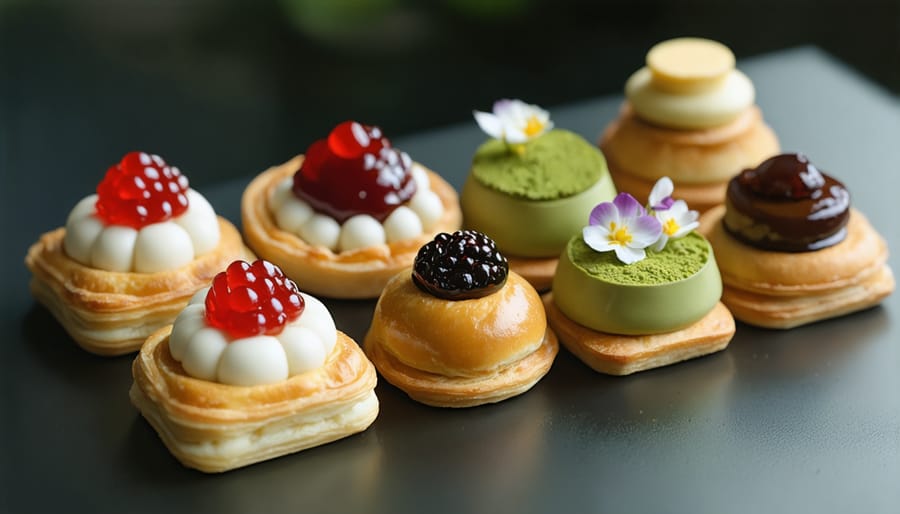
In Toronto’s vibrant culinary landscape, Asian artisanal bakeries have emerged as bastions of tradition and innovation. Japanese bakeries, with their meticulous attention to detail, have introduced the city to the art of shokupan – pillowy milk bread that exemplifies the perfect balance between texture and taste. At Sasaki Fine Pastry, master baker Keiko Sasaki crafts delicate matcha-infused croissants and red bean buns that honor centuries-old techniques while embracing modern sensibilities.
Korean bakeries have brought their distinctive approach, blending European techniques with Asian flavors. The phenomenon of Korean cream bread has taken root in Toronto’s food scene, with establishments like Hodo Kwaja offering their signature walnut cakes (hodugwaja) alongside innovative creations like sweet potato cream buns. These artisans maintain traditional fermentation methods while experimenting with local Canadian ingredients.
Chinese bakery traditions have found a particularly strong foothold in the city’s culinary tapestry. Traditional egg custard tarts, pineapple buns, and red bean pastries are crafted with techniques passed down through generations. Notable establishments like Roi San Bakery have mastered the art of lamination in their Chinese-style pastries, creating delicate layers that speak to both Eastern and Western baking traditions.
The fusion approach has given rise to remarkable innovations: matcha-filled croissants, black sesame sourdough, and taro danish pastries that seamlessly blend cultural influences. These artisans are not merely replicating traditional recipes; they’re creating a new narrative in Toronto’s bakery scene, one that respects ancestral techniques while embracing contemporary tastes and local ingredients.
Craftsmanship in the Modern Era
The Art of Slow Fermentation
The gentle art of fermentation stands as one of the most revered ancient cooking techniques, transforming humble ingredients into complex masterpieces through time and patience. In Toronto’s artisanal bakeries, master bakers maintain centuries-old traditions of natural fermentation, particularly in the realm of sourdough cultivation.
These artisans understand that true fermentation cannot be rushed. Their starters, some dating back generations, carry unique microbiological signatures that reflect Toronto’s terroir. At dawn, while the city sleeps, they tend to their living cultures with the precision of scientists and the intuition of artists.
The process extends beyond bread to encompass a world of fermented delicacies. From Korean kimchi masters who age their cabbage in traditional onggi pots to Italian-Canadian families preserving their grandmother’s wine vinegar mother, Toronto’s fermentation scene celebrates diverse cultural heritage through bacterial alchemy.
The pinnacle of this craft manifests in naturally leavened breads, where doughs ferment for up to 36 hours, developing complex flavor compounds and beneficial nutrients. This prolonged fermentation creates distinctive profiles: notes of honey, warm nuts, and subtle acidity that mass-produced breads simply cannot replicate.
For the discerning palate, these slowly crafted foods offer more than sustenance—they provide a direct connection to culinary traditions that have evolved over millennia, each bite a testament to the transformative power of time and tradition.
Hand-Crafted Excellence
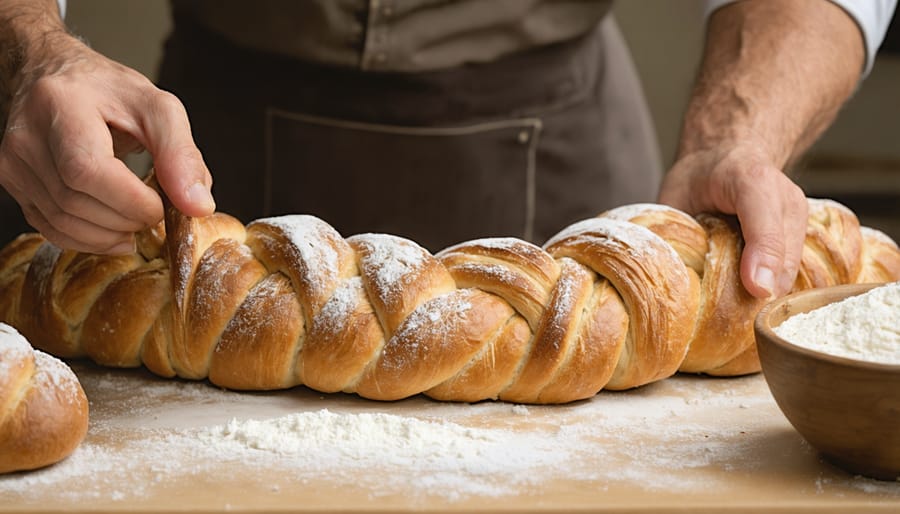
In the heart of Toronto’s artisanal bakeries, master bakers still practice time-honored techniques that elevate their craft beyond mere food preparation. These artisans distinguish themselves through methodical hand-kneading, carefully monitoring fermentation, and maintaining precise temperature control without relying on automated systems. Many draw inspiration from cherished family recipes, adapting generations-old methods to create exceptional products.
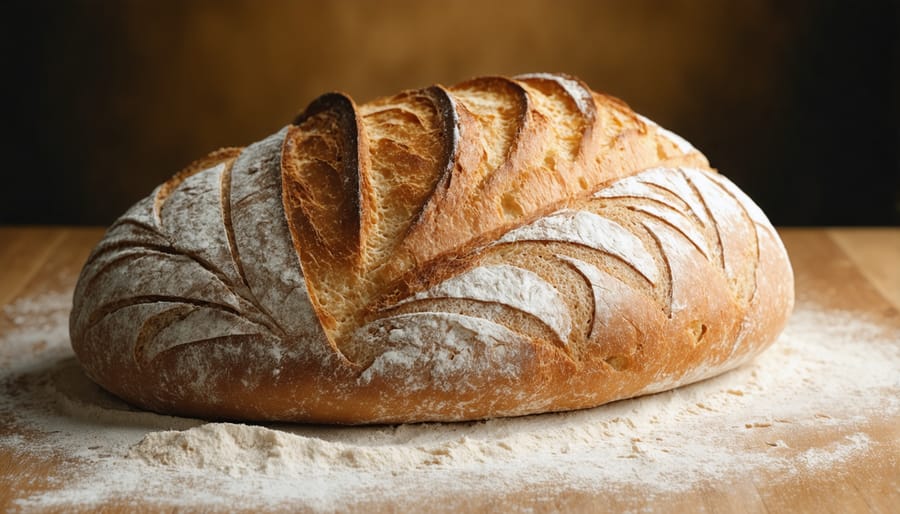
The distinction lies in the details: naturally leavened sourdough starters cultivated over years, hand-laminated croissant dough folded precisely 27 times, and bread scored with distinctive patterns that are as much about function as aesthetics. Unlike commercial operations, these artisans work in small batches, allowing dough to develop complex flavors through extended fermentation periods of up to 36 hours.
This dedication to craft manifests in subtle ways: the distinctive crackling crust of a properly proofed baguette, the perfect honeycomb structure in a well-developed crumb, and the robust, nuanced flavors that only patient cultivation can achieve. These characteristics are impossible to replicate in mass-production environments, making each loaf a testament to the baker’s expertise and dedication.
Pairing Traditions: Wine and Artisanal Breads
The marriage of artisanal bread and fine wine creates an experience that transcends simple sustenance, elevating both components to new heights of gastronomic pleasure. Through centuries of tradition, bakers and vintners have understood that the complex flavors and textures of handcrafted breads can harmonize beautifully with carefully selected wines.
For rustic sourdough with its characteristic tang and chewy crust, sommeliers often recommend crisp white wines like Chablis or aged Champagne, whose acidity complements the bread’s fermented notes. The nutty undertones of whole grain loaves find their match in medium-bodied whites such as Viognier or oaked Chardonnay, while dark rye breads pair exceptionally well with bold reds like Cabernet Sauvignon or Syrah.
“The key is to consider both texture and flavor profiles,” explains Master Sommelier Christine Laurent. “A crusty baguette’s lightness calls for different wine partnerships than a dense walnut-studded loaf.” She suggests exploring regional pairings: Italian ciabatta with Prosecco, French brioche with Champagne, or German vollkornbrot with Riesling.
For special occasions, consider serving olive-studded focaccia alongside a robust Tuscan Sangiovese, or partner a fig and walnut bread with vintage port. The possibilities are endless, but the principle remains constant: quality artisanal bread deserves equally thoughtful wine selection.
Remember that temperature matters – both bread and wine should be served at their optimal temperatures to fully appreciate their complementary qualities. Most artisanal breads are best enjoyed slightly warm, allowing their aromas to fully develop and mingle with the wine’s bouquet.
As Toronto’s artisanal baking scene continues to flourish, it represents far more than just a culinary trend – it’s becoming a vital thread in the city’s cultural fabric. Master bakers, many of whom learned their craft from generations before them, are not merely preserving traditional techniques; they’re adapting them for contemporary tastes while maintaining their authentic essence.
The future of artisanal baking in Toronto looks particularly promising, with a new generation of bakers apprenticing under established artisans, ensuring these time-honored methods endure. We’re witnessing a beautiful synthesis where centuries-old European techniques merge with diverse cultural influences from the city’s immigrant communities, creating something uniquely Torontonian.
This renaissance in artisanal baking serves as a counterpoint to mass production, offering discerning consumers not just superior products, but a connection to cultural heritage through food. As more residents embrace these authentic experiences, artisanal bakeries become cultural anchors in their neighborhoods, fostering community and preserving the stories and techniques that might otherwise be lost to time. In this way, Toronto’s artisanal baking culture isn’t just sustaining traditions – it’s actively shaping the city’s culinary future.