
Good Italian food delivery comes down to three decisions: order dishes that survive the trip, choose kitchens that pack with intention, and understand what the final bill really includes. Get those right and a Tuesday-night rigatoni can rival a table at a proper trattoria.
The appetite is real. Canada’s online food delivery market generated USD 20,284.1 million in revenue in 2024 and is expected to reach USD 32,309.1 million by 2030, and Italian cuisine, with its braises, baked pastas and sauces that deepen overnight, is built for the format. A slow-cooked ragù arrives as it left the pot. A delicate cacio e pepe, less so. I’ve learned that distinction the hard way, over a few lukewarm cartons and one memorable lasagna al forno that tasted better at home than it ever has in a busy dining room.
Cost deserves equal honesty. Delivery platforms can impose fees ranging from 25% to 35%, and in June 2025 Canada’s Competition Bureau sued DoorDash, alleging that mandatory fees were added at checkout. The menu price rarely tells the whole story.
What follows is a practical guide to ordering with discernment: which dishes travel well, how to vet a kitchen before you commit, what the true cost looks like, and which wines and spirits deserve a place beside the table.
Why Italian Food Delivery Is Having a Moment
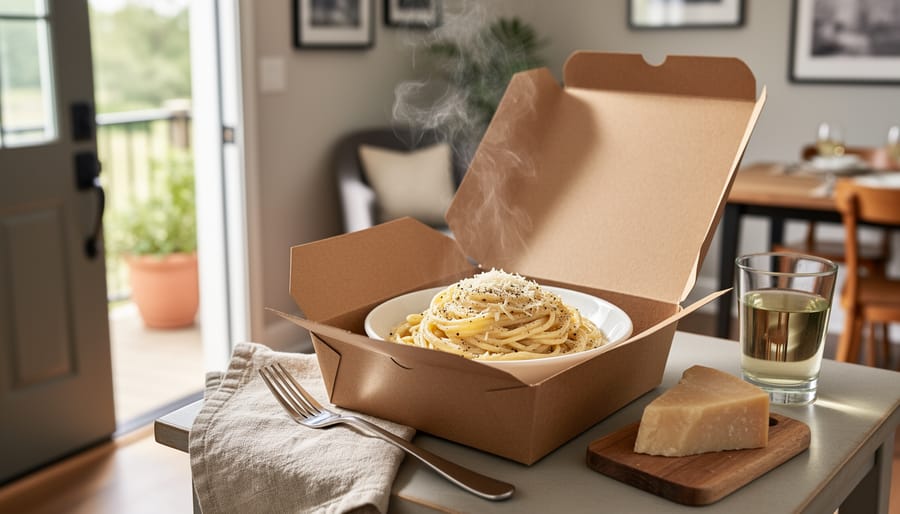
Something has shifted in the way we dine. According to figures from the Canada online delivery market analysis, online food delivery in this country generated USD 20,284.1 million in 2024 and is expected to reach USD 32,309.1 million by 2030. That is a considerable appetite for dinner arriving at the door, and it tells us something important: delivery is no longer an afterthought reserved for emergencies and late nights.
Italian cuisine sits at an intriguing crossroads within that growth. Its greatest strength is its restraint. A proper plate of pasta is built from a handful of exceptional ingredients: sun-ripened tomatoes, a ladle of starchy pasta water, good olive oil, a snowfall of aged cheese. This simplicity gives the cuisine a natural comfort, and the heartiest preparations, the slow braises and baked pastas, carry the warmth of a Sunday table wherever they go.
That same simplicity, however, leaves very little room to hide. A dish with so few components depends entirely on texture and timing. Pasta cooked to a precise al dente continues to soften in a sealed container, risotto tightens as it cools, and a blistered crust can lose its crackle in the steam of a closed box. Where a robust stew forgives twenty minutes in transit, a delicate strand of tagliolini does not.
This is precisely what makes Italian food delivery so compelling to discerning diners. The cuisine rewards thoughtful ordering, and the kitchens that understand how their dishes behave on the road are the ones worth seeking out. The sections that follow explore exactly how to tell the difference.
Which Italian Dishes Travel Beautifully (and Which Are Best Left at the Table)
The Travellers: Braises, Baked Pastas and Hearty Sauces
Lasagne, ragù, osso buco, eggplant parmigiana and baked gnocchi are the natural travellers of the Italian table. These are dishes built on patience, and patience, it turns out, survives a car ride beautifully. A ragù simmered for hours arrives with its aroma intact, the scent of tomato, soffritto and slow-cooked beef rising the moment the lid lifts. By the time I plate it, the flavours have often settled into something deeper than the kitchen first sent out.
Layered and baked dishes hold their structure well. The béchamel in a lasagne sets, the aubergine in a parmigiana absorbs its sauce, and the crust of cheese on baked gnocchi stays lightly bronzed. Osso buco, with its marrow and gremolata, is gloriously forgiving.
To reheat, resist the microwave’s blunt force. Cover the dish with foil and warm it in a moderate oven, around 160°C, until heated through. Braises prefer a low simmer in a covered pan, with a splash of stock or water to loosen the sauce. Uncover for the final minutes, and the surface regains its gloss.
The Delicate Ones: Fresh Pasta, Risotto and Wood-Fired Pizza
Some of Italy’s finest dishes are also its most fragile. Al dente pasta is a matter of seconds, and a sealed container is a steam chamber. By the time it reaches your door, the strands have continued cooking in their own heat and the bite has softened into something soft and slack. Risotto fares no better. Its creamy, flowing texture, built from starch released grain by grain, tightens and turns gluey as it cools. A Neapolitan pizza, with its blistered, leopard-spotted cornicione, loses its crackle the moment steam collects beneath the lid.
The remedy is largely a matter of strategy. Choose sturdier shapes such as rigatoni, paccheri or orecchiette, which hold their structure far better than angel hair or fresh tagliolini. Ask for the sauce on the side so you can marry it to the pasta at home. For pizza, a few minutes in a hot oven or a dry skillet revives the crust remarkably well.
Risotto is the one dish I would sooner enjoy at the table, where it can be served at the moment it is ready.
Antipasti, Dolci and the Details That Elevate an Order
Antipasti are the quiet heroes of a delivery order, because almost nothing here asks to be served piping hot. Cured meats such as prosciutto di Parma, finocchiona and a peppery bresaola arrive exactly as the kitchen intended. Marinated artichokes, roasted peppers and olives often taste better after an hour in their oil. Burrata is the one to treat with care: bring it to room temperature, split it open, and let the cream pool over warm bread.
Arrange everything on a wooden board rather than leaving it in its containers, and a Tuesday-night order begins to feel like a gathering. A few shards of Parmigiano, a drizzle of good olive oil and a scatter of basil complete the picture.
For dolci, tiramisu and panna cotta are the dependable closers. Both are built to be made ahead and chilled, so they survive the journey with their texture intact. Keep them cold until the last moment, then serve in small glasses with a dusting of cocoa or a spoonful of berries.
What to Look for in a Restaurant Worth Ordering From
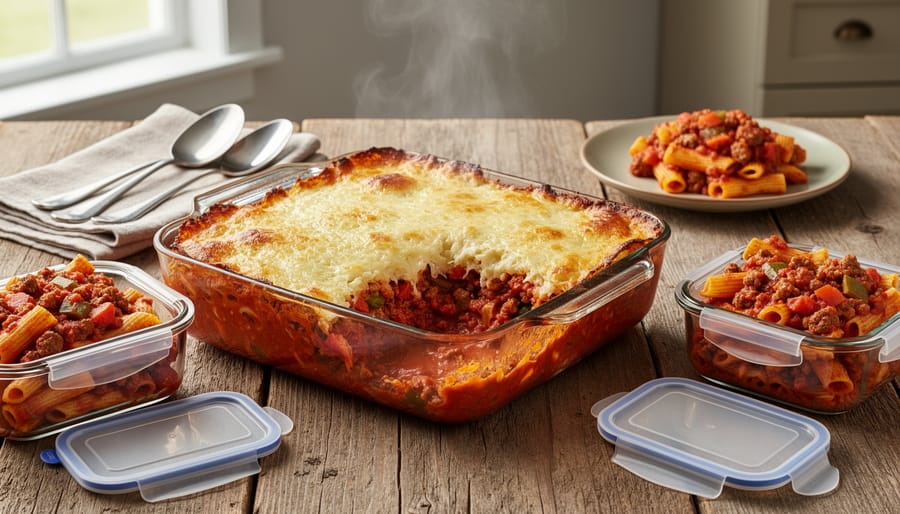
A good Italian kitchen doesn’t just cook for delivery; it designs for it. Start with menu focus. A restaurant that tries to do everything, from sushi to schnitzel, rarely does any of it with conviction. Look instead for a kitchen with a point of view, one that can tell you whether its ragù is Bolognese or Neapolitan in spirit. Regional specificity is a quiet sign of confidence, and it usually means the cook understands the dish well enough to know how it behaves in a container.
Next, consider packaging philosophy. The best kitchens separate what should be separate: sauce from pasta, burrata from warm bread, tiramisu from anything that might weep onto it. Vented lids for pizza, deep containers for baked pastas and a tidy bag of grated cheese on the side all signal a team that has thought about your table, not just their pass. Packaging also tells you something about values, and diners who care about sustainable restaurants will notice which kitchens use compostable materials and which don’t. The same attention to food sustainability often shows up in portion sizing and sourcing.
Transparency matters just as much. A confident restaurant states its delivery radius and realistic timing plainly, because it knows a bowl of pasta has a short window of greatness. Be wary of vague promises and welcome honest ones, such as a note recommending that you reheat a dish or finish it at home.
Finally, ask whether the menu is built for transit. Kitchens that offer braises, baked pastas and thoughtful antipasti, and that flag the delicate dishes honestly, are designing with care. Browsing delivery apps can help you compare menus, but the signs of craft above are what separate a convenient dinner from a memorable one.
Understanding the True Cost of Italian Food Delivery
A beautiful bowl of tagliatelle al ragù is rarely the most expensive part of a delivered Italian dinner. The surprise tends to arrive at checkout, where the menu price and the final total can sit surprisingly far apart. Understanding why is part of ordering well.
The broader context is one of rapid growth. The Canadian online food delivery market generated USD 20,284.1 million in 2024 and is expected to reach USD 32,309.1 million by 2030. Behind those figures sits a fee structure worth reading carefully, since food delivery services can impose fees ranging from 25% to 35%. Regulators have noticed the question of how fees are presented, too: in June 2025, Canada’s Competition Bureau sued DoorDash, alleging that mandatory fees were added at checkout. That is an allegation, and what follows is simply a reminder to read every line of your own receipt.
| Verified figure | What it means for the diner | What to check at checkout |
|---|---|---|
| USD 20,284.1 million market in 2024 | Delivery is now an established habit, and many kitchens depend on it | Whether the restaurant offers its own ordering channel |
| USD 32,309.1 million projected by 2030 | Expect more choice, and more variation in how orders are priced | Compare totals, not just menu prices |
| Fees of 25% to 35% | A meaningful share of what a kitchen earns can go to the service | Itemised service, delivery and other charges before you confirm |
| June 2025 Competition Bureau action regarding DoorDash | Fee transparency is under active scrutiny | Any fee that appears only on the final screen |
Armed with this, a few habits make the difference. First, always compare the final total, not the headline menu price, because fees and charges can shift the arithmetic considerably. Second, where a restaurant offers its own online or phone ordering, it is worth comparing that total against the platform’s. Smaller kitchens often prefer direct orders, and the saving, or at least the clearer receipt, can be real. Not every restaurant offers this option, so treat it as a comparison to make rather than a rule.
Finally, consider how you support the people cooking your dinner. A considered tip for the courier is always appropriate, and if a trattoria you love also takes direct orders, choosing that route now and then is a quiet vote for the kitchen. On a Sunday evening, when the cacio e pepe is still steaming in its container, it is good to know exactly what you paid for, and who was paid.
Pairing the Pour: Wines and Spirits for Your Delivered Italian Feast
The first time I truly understood what a good pairing could do for a delivered meal, I was holding a lukewarm glass of Chianti Classico over a container of Sunday ragù. The sauce had settled into itself during the drive, deeper and rounder than when it left the kitchen. The wine’s bright cherry and firm acidity cut through the richness and made the whole dish stand up straight. It tasted intentional, like a table at a trattoria, even though I was in my own kitchen.
That is the principle behind every good match: let acidity and structure meet the weight of the food. A few pairings that reward the effort:
– Ragù and baked pastas: Chianti Classico, a Sangiovese-based red, brings savoury acidity that refreshes the palate between bites of lasagne or tagliatelle.
– Braises such as osso buco: Barolo or Barbaresco, both Nebbiolo wines, offer firm tannin and perfumed notes of rose and tar that stand up to slow-cooked meat. Decant them for half an hour if you can.
– Seafood and lighter dishes: Vermentino is crisp and saline, with a citrus lift that suits clams, prawns and anything finished with lemon.
– Antipasti: A dry Prosecco, with its fine bubbles, cleanses the palate between cured meats, burrata and marinated vegetables, and it works as an aperitivo before the main course arrives.
– To close: A small pour of amaro, with its bittersweet herbal depth, settles a generous meal, while a chilled limoncello brings a bright finish alongside tiramisu or panna cotta.
If you are building a full evening around your order, planning your drinks matters as much as choosing the dishes. Many diners now arrange their bottles through an alcohol delivery service alongside dinner, so the wine arrives chilled and ready rather than leaving you to scramble at the last minute. If you would like to go deeper on the logic behind these matches, the wine pairing secrets that sommeliers rely on are a worthwhile read.
One practical note: serve reds slightly cool, closer to cellar temperature than room temperature, and whites cold but not icy, so the aromatics are not muted. Keep your pours modest and let the food lead. A delivered Italian meal is already a considered act of hospitality, and the right glass beside it turns it into an occasion.
Setting the Scene: Plating and Presentation at Home
A delivered meal asks for a little ceremony, and the transformation takes ten minutes. Begin with the plates. Slide them into a low oven, around 90°C, or run them under hot water and dry them well. Pasta cools quickly on a cold surface, and a warmed plate buys you the minutes it takes to sit down and pour the wine.
Next, abandon the containers. Tip the ragù or baked pasta into a proper ceramic dish, and set antipasti on a wooden board or a wide platter. Gently reheat sauces in a pan rather than a microwave, loosening them with a spoonful of the pasta’s cooking water or a splash of stock if they have tightened in transit. The difference in gloss and texture is immediate.
Then comes the finishing. A trickle of good extra-virgin olive oil, a few torn leaves of fresh basil, a flurry of freshly grated Parmigiano Reggiano, a twist of black pepper. These last gestures return the aroma that travel quietly steals, and they signal care to everyone at the table.
A chef’s view, shared in spirit by many sommeliers, is that the final ten percent of any dish happens at the point of serving, not in the kitchen. Heat, fragrance and a fresh element of green or fat are what the guest actually perceives.
Finally, set the mood. Dim the overheads, light a candle or two, and let a simple playlist of Italian jazz drift in the background. Pour the wine into proper stemware. Suddenly the table at home feels like a corner of a trattoria, with the evening unhurried.
Frequently Asked Questions About Italian Food Delivery
How should I reheat delivered pasta without overcooking it?
Warm it gently in a covered pan over low heat with a splash of water or reserved sauce, rather than the microwave on full power. Baked pastas and ragù-based dishes do best in a moderate oven, loosely covered with foil, until just hot through.
Is it better to order direct from the restaurant or through a delivery platform?
Where a kitchen offers its own ordering, it is worth comparing the two totals side by side. Platforms can impose fees ranging from 25% to 35%, so ordering direct may leave more of your spend with the restaurant.
How can I reduce delivery fees?
Read the full checkout total before confirming, as fees can appear at the final step. In June 2025, Canada’s Competition Bureau sued DoorDash, alleging that mandatory fees were added at checkout, which is a good reminder to look closely. Consolidating one larger order, or choosing pickup when practical, also trims the cost.
How do I keep pizza crisp when it arrives?
Steam is the enemy, so open the box promptly and let the pizza breathe. A few minutes on a hot baking steel, stone or heavy skillet will revive the base far better than the microwave.
Beyond these basics, a little foresight goes a long way. Order dishes suited to travel, ask for sauce on the side where the kitchen allows, and have warmed plates ready the moment the bag lands on your counter. The best delivered meals are rarely left to chance; they are planned, if only a few minutes ahead.
The bowl of cacio e pepe did arrive, and it was better than I’d feared. The pecorino had set into a glossy, peppery cling, and a minute in a warm pan brought it back to life. That small victory had little to do with luck. I had chosen a kitchen that understood travel, ordered dishes built to survive the journey, and read the checkout total before confirming, mindful that fees on delivery services can run from 25% to 35%.
That is the quiet lesson of ordering well. Favour braises and baked pastas, keep delicate shapes for the table, and pour something Italian beside them: a Chianti Classico for the ragù, a chilled Vermentino for the seafood.
So the next time a Sunday evening calls for the trattoria, let it come to you. Warm the plates, light a candle, and open the bottle. Buon appetito.