
Transform your premium alcohol retail presence through strategic digital marketing that captures today’s sophisticated consumer. In an era where premium spirits sustainability trends drive purchasing decisions, digital excellence has become non-negotiable for luxury beverage brands. Master the art of digital retail marketing by crafting immersive online experiences that mirror the exclusivity of your finest bottles, leveraging data analytics to personalize customer journeys, and deploying precision-targeted social campaigns that resonate with discerning clientele.
Today’s affluent consumers expect seamless integration between digital discovery and physical retail experiences. They research extensively online before making premium purchases, engage with virtual tastings, and seek personalized recommendations through digital channels. By embracing sophisticated digital marketing strategies—from AI-powered product recommendations to virtual reality store tours—premium alcohol retailers can create compelling digital touchpoints that enhance brand prestige while driving measurable results.
This comprehensive guide reveals how leading retailers are revolutionizing the way premium spirits and wines are marketed, sold, and experienced in the digital age, ensuring your brand remains at the forefront of this dynamic transformation.
The New Digital Wine Consumer
Digital Sophistication Meets Wine Culture
Today’s wine connoisseurs seamlessly blend their appreciation for tradition with digital sophistication, creating a new paradigm in premium wine retail. Through intuitive mobile apps and personalized digital platforms, enthusiasts now access curated wine selections, detailed tasting notes, and expert recommendations at their fingertips. This digital transformation extends beyond simple e-commerce, incorporating virtual sommelier services, augmented reality wine label scanning, and interactive food pairing suggestions.
Leading wine retailers have embraced this evolution, developing omnichannel experiences that complement their brick-and-mortar expertise. Virtual tastings and digital masterclasses have become sophisticated touchpoints, allowing consumers to deepen their wine knowledge while exploring premium selections from home. This digital sophistication has also paved the way for non-alcoholic beverage innovations, meeting the growing demand for premium alternatives.
The marriage of digital convenience and wine culture hasn’t diminished the category’s prestige; rather, it’s enhanced the discovery and appreciation of fine wines, making exceptional vintages more accessible to discerning customers while maintaining the element of luxury and expertise that wine enthusiasts cherish.
Mobile-First Shopping Behavior
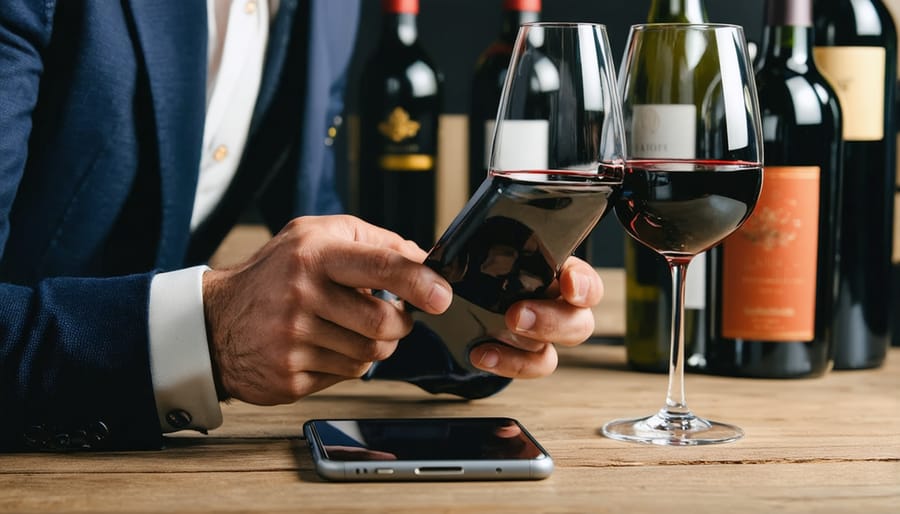
The rise of mobile commerce has revolutionized how connoisseurs discover and purchase premium wines. Our recent market analysis reveals that over 65% of luxury wine purchases now originate from mobile devices, with sophisticated consumers increasingly comfortable making high-value transactions through their smartphones. This shift has prompted leading wine merchants to optimize their digital presence for mobile-first experiences, incorporating high-resolution bottle photography and seamless checkout processes tailored for smaller screens.
The impact extends beyond mere transactions. Mobile apps now offer augmented reality features allowing customers to visualize wine bottles in their cellars, while sophisticated recommendation algorithms leverage past purchasing behavior to suggest complementary vintages. Wine collectors particularly appreciate mobile-exclusive notifications for limited releases and rare vintages, often making purchase decisions within moments of receiving alerts.
To capitalize on this trend, successful retailers are implementing responsive design principles, ensuring that detailed tasting notes, vineyard information, and food pairing suggestions are easily accessible on mobile devices. The integration of mobile payment solutions like Apple Pay and Google Wallet has further streamlined the purchasing process, reducing friction in high-value transactions and contributing to increased conversion rates among premium wine buyers.
Personalization in Premium Wine E-commerce
AI-Powered Wine Recommendations
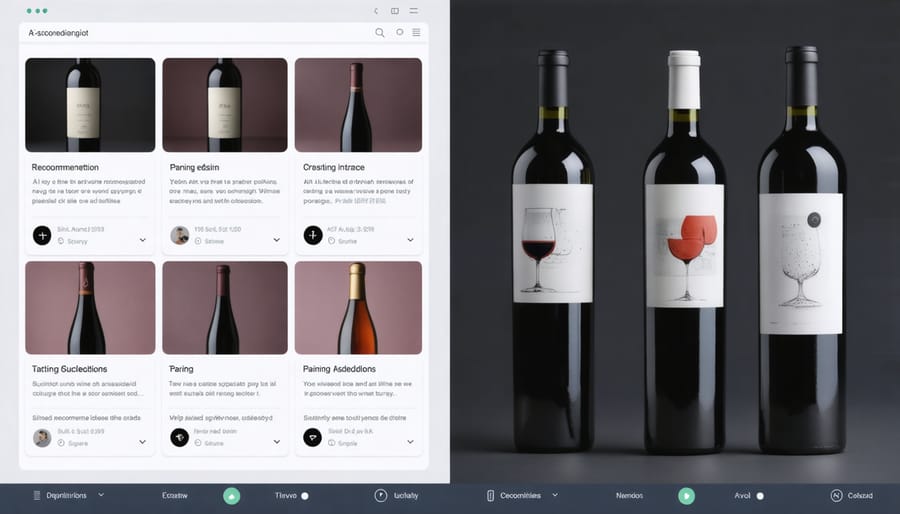
In today’s sophisticated wine retail landscape, artificial intelligence has revolutionized how connoisseurs discover their next favorite vintage. Premium retailers are leveraging advanced AI algorithms that analyze customers’ past purchases, taste preferences, and browsing behavior to curate personalized wine recommendations with remarkable accuracy.
These intelligent systems go beyond simple varietal matching, considering subtle factors like flavor profiles, production methods, and regional characteristics. For instance, if a customer shows an affinity for full-bodied Bordeaux blends, the AI might suggest similar expressions from emerging regions like Priorat or Bolgheri, expanding their palate while maintaining their preference for robust, complex wines.
Leading wine merchants are incorporating natural language processing to create sophisticated digital sommeliers that engage customers in nuanced conversations about their preferences. These virtual advisors can interpret complex descriptors like “minerality” or “tertiary aromas” and translate them into precise recommendations that align with the customer’s sophisticated palate.
The technology also excels at identifying optimal food pairings and suggesting complementary wines for special occasions. By analyzing seasonal trends, critic ratings, and customer feedback, AI systems can predict which wines will resonate with specific customer segments, enabling retailers to offer more targeted and meaningful recommendations.
For collectors and serious enthusiasts, AI-powered platforms can even track cellar inventory and suggest additions based on aging potential, investment value, and gaps in their collection, creating a truly personalized fine wine journey.
Virtual Sommelier Experiences
Digital wine retail has evolved beyond traditional browsing, introducing sophisticated virtual sommelier experiences that bridge the gap between online shopping and personalized expertise. These AI-driven platforms analyze customers’ taste preferences, previous purchases, and flavor affinities to create tailored wine recommendations that rival in-person consultations.
Leading retailers now employ advanced algorithms that guide customers through interactive tastings, offering detailed insights into wine characteristics, food pairings, and regional distinctions. These digital sommeliers utilize natural language processing to engage in nuanced conversations about wine preferences, from discussing the subtle notes of a Burgundian Pinot Noir to recommending the perfect Barolo for a special occasion.
Virtual reality technology has further enhanced these experiences, allowing customers to virtually tour vineyards, witness harvesting processes, and participate in guided tastings from the comfort of their homes. Premium wine merchants are implementing augmented reality labels that, when scanned, reveal detailed information about the wine’s terroir, winemaking techniques, and tasting notes.
The integration of machine learning continues to refine these digital experiences, with systems becoming increasingly adept at understanding individual palates and suggesting wines that align with specific taste profiles. This technological evolution has made expert wine guidance accessible to a broader audience while maintaining the sophistication and personal touch that wine enthusiasts expect from high-end retailers.
Digital Storytelling for Premium Brands
Visual Commerce Excellence
In the luxury spirits and fine wine sector, visual commerce has emerged as a cornerstone of digital retail success. Premium alcohol brands are crafting immersive visual experiences that capture the essence of their products through high-resolution photography, carefully curated lifestyle imagery, and sophisticated video content.
Leading brands are leveraging 360-degree product photography to showcase intricate bottle designs, allowing customers to examine every detail from the embossed logos to the subtle play of light through aged spirits. These interactive visualizations create a virtual tasting room experience, where customers can appreciate the rich amber hues of aged whiskeys or the crystalline clarity of premium vodkas.
Social media platforms, particularly Instagram and Pinterest, have become virtual galleries where brands showcase their products in contextual settings. Carefully composed shots featuring premium glassware, artisanal garnishes, and sophisticated bar setups help consumers envision these products in their own entertaining spaces. Behind-the-scenes content from historic distilleries and vineyards adds depth to the visual narrative, connecting consumers with the heritage and craftsmanship behind each bottle.
Augmented reality (AR) experiences are revolutionizing how consumers interact with premium alcohol brands online. Virtual label scanning technology allows customers to unlock detailed product information, serving suggestions, and food pairing recommendations. Some brands have introduced AR filters that transform standard product photos into interactive experiences, revealing the aging process or displaying cocktail recipes in real-time.
User-generated content, when carefully curated, adds authenticity to visual marketing efforts. Sophisticated consumers sharing their premium drinking experiences create a powerful visual ecosystem that reinforces brand positioning and drives engagement among affluent audiences.
Heritage Meets Digital Innovation
In today’s premium spirits market, legacy brands face the delicate challenge of preserving their storied heritage while embracing digital transformation. The most successful retailers are those who masterfully weave their traditional brand narratives into contemporary digital experiences, creating a seamless fusion of past and present.
Take, for instance, how historic wine merchants are now utilizing augmented reality (AR) to tell their centuries-old stories through bottle labels that come alive when scanned with a smartphone. These innovations don’t diminish the brand’s heritage; rather, they enhance it by making it more accessible to modern consumers. Similarly, sustainable luxury brands are leveraging digital platforms to showcase their traditional craftsmanship while highlighting their commitment to environmental stewardship.
The key lies in maintaining the exclusivity and personal touch that luxury consumers expect while providing the convenience of digital access. Virtual sommelier consultations, private online tasting rooms, and curated digital portfolios offer the same level of expertise and personalization as traditional in-store experiences, just in a different format.
Many premium retailers are finding success with hybrid approaches that blend digital convenience with traditional expertise. For example, mobile apps that allow customers to scan and learn about wines in-store, then seamlessly purchase for home delivery, create a bridge between physical and digital retail spaces. This approach respects the ritualistic nature of fine wine and spirits selection while acknowledging modern shopping preferences.
The most effective digital marketing strategies in this space don’t just modernize – they enhance the heritage aspects that make these brands special in the first place.
Omnichannel Integration for Luxury Wine Retailers
Digital Wine Club Evolution
Traditional wine clubs are experiencing a revolutionary transformation in the digital age, embracing sophisticated technology to enhance member experiences and expand their reach. Today’s digital wine clubs leverage artificial intelligence and predictive analytics to craft personalized wine recommendations based on individual taste preferences, purchase history, and browsing behavior.
Leading vintners and wine merchants now offer immersive virtual tasting experiences, where members receive curated wine selections accompanied by interactive online sessions with renowned sommeliers. These digital gatherings combine the convenience of home delivery with the expertise traditionally found in exclusive wine cellars and tasting rooms.
Mobile applications have become integral to modern wine clubs, offering features such as detailed tasting notes, food pairing suggestions, and virtual cellar management tools. Members can track their collections, rate wines, and share recommendations within private community forums, creating an engaging social experience that transcends geographical boundaries.
Subscription models have evolved to incorporate flexible customization options, allowing members to adjust delivery frequencies, explore different wine regions, or focus on specific varietals. Advanced CRM systems enable wine clubs to deliver targeted communications and special offers, maintaining the personal touch that wine enthusiasts value while scaling their operations efficiently.
The integration of blockchain technology is emerging as a powerful tool for authenticity verification and provenance tracking, particularly valuable for premium and rare wine selections, ensuring members receive genuine, carefully sourced products.
Virtual Tasting Experiences
Virtual tasting experiences have emerged as a sophisticated bridge between digital engagement and traditional retail, revolutionizing how premium spirits and wines are marketed to discerning consumers. These curated digital events combine the convenience of remote participation with the intimacy of personalized premium beverage experiences.
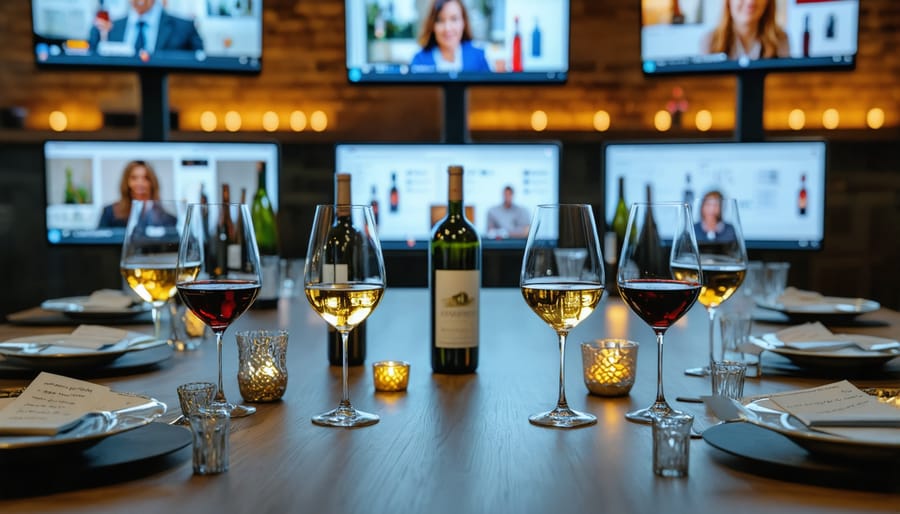
Leading retailers are now orchestrating immersive online tastings where participants receive carefully packaged tasting kits delivered to their homes. These expertly assembled collections typically include measured portions of select vintages, aromatic elements for sensory exploration, and professionally designed tasting notes. Master sommeliers and distinguished distillers guide attendees through nuanced flavor profiles, sharing their expertise through high-definition streams that capture every detail of the tasting process.
The digital format allows for unprecedented scalability while maintaining exclusivity. Retailers can seamlessly integrate e-commerce functionality, enabling participants to purchase their preferred selections during or immediately after the event. Advanced platforms incorporate interactive elements such as real-time polling, virtual break-out rooms for intimate discussions, and digital notebooks for capturing tasting observations.
These virtual experiences have proven particularly effective for launching new premium products, cultivating brand loyalty, and creating authentic connections with affluent consumers who value both convenience and sophistication. The data gathered from these events provides valuable insights into consumer preferences and purchasing patterns, enabling retailers to refine their offerings and marketing strategies accordingly.
As we look toward the horizon of digital retail marketing in premium alcohol, the convergence of technology and tradition creates unprecedented opportunities for luxury brands. The future promises an even more sophisticated integration of personalized experiences, with artificial intelligence and data analytics driving hyper-targeted recommendations that respect the nuanced preferences of discerning consumers.
Virtual and augmented reality technologies are set to transform how consumers discover and experience premium spirits and wines, offering immersive storytelling that brings vineyard tours and distillery experiences directly to customers’ homes. This digital evolution will maintain the exclusivity and prestige of luxury alcohol brands while making them more accessible to qualified buyers through carefully curated online experiences.
Social commerce and influencer partnerships will continue to evolve, focusing on authentic storytelling and educational content that elevates brand perception. The successful digital marketers of tomorrow will be those who master the delicate balance between innovation and tradition, using technology to enhance rather than replace the human elements that make premium alcohol special.
As sustainability and transparency become increasingly important to affluent consumers, digital platforms will play a crucial role in communicating provenance, production methods, and environmental commitments. The future of digital retail marketing in premium alcohol lies not just in selling products, but in creating meaningful connections that enhance the sophisticated consumer’s journey from discovery to purchase and beyond.