
Toronto’s hospitality landscape has evolved into a sophisticated tapestry where cultural hospitality trends reshape every segment of the industry. From opulent five-star hotels to intimate boutique establishments, the city’s hospitality sectors masterfully blend international standards with local authenticity.
The modern hospitality ecosystem encompasses five distinct yet interconnected segments: lodging, food and beverage, travel and tourism, recreation, and meetings and events. Each sector demands its own nuanced approach to cultural sensitivity and guest experience, particularly in a cosmopolitan hub like Toronto, where global influences converge with Canadian hospitality traditions.
Understanding these segments’ unique characteristics and interrelationships is crucial for both industry professionals and discerning guests who seek exceptional experiences. Whether orchestrating a world-class corporate event or crafting an intimate dining experience, success in today’s hospitality landscape requires a deep appreciation of how these segments work in concert to deliver unparalleled service excellence.
This exploration reveals how each segment contributes to Toronto’s reputation as a premier destination for sophisticated travelers and local connoisseurs alike, setting new standards in cultural integration and guest satisfaction.
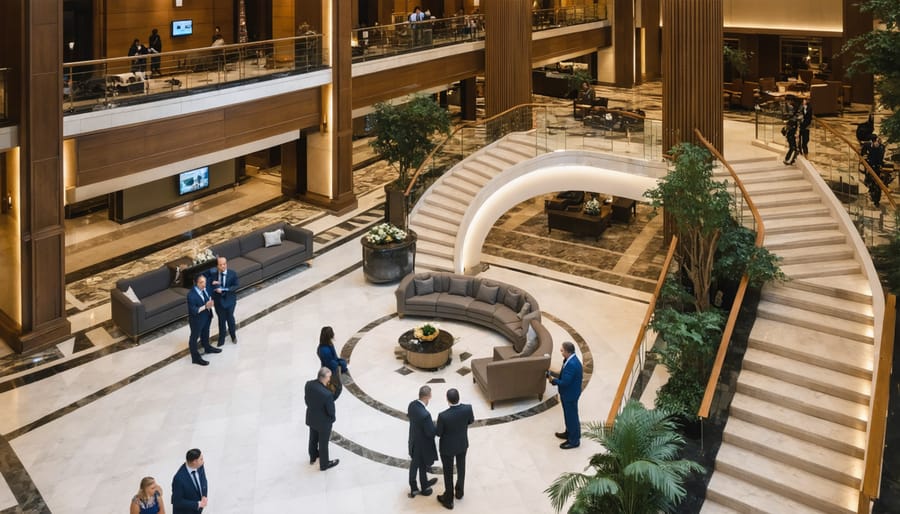
Luxury Hotels and Cultural Etiquette
Personalized Guest Services
In today’s globalized hospitality landscape, personalized guest services have evolved beyond traditional service standards to embrace cultural nuances and individual preferences. Leading establishments now offer culturally-specific amenities that cater to diverse international clientele, from providing prayer rooms and directional markers for religious observances to curating multilingual concierge services staffed by cultural liaisons.
Luxury properties have implemented sophisticated guest preference management systems that track everything from dietary restrictions to preferred room temperatures. These establishments often feature specialized butler services trained in cultural etiquette, ensuring seamless interactions with guests from various backgrounds. For instance, many Toronto hotels now offer Chinese tea ceremonies, Japanese breakfast options, and Middle Eastern hospitality protocols.
The implementation of technology has further enhanced personalization, with mobile apps allowing guests to customize their experience before arrival. From selecting specific pillow types to requesting particular room fragrances, these touch points create an environment that feels familiar yet luxurious. Staff members undergo extensive cultural sensitivity training, learning appropriate greeting customs, communication styles, and dining etiquette specific to different regions, ensuring every guest interaction reflects understanding and respect for cultural traditions.
Staff Training and Cultural Competency
In today’s globalized hospitality landscape, cultural competency has become a cornerstone of exceptional service delivery. Leading luxury hotels invest significantly in comprehensive training programs that equip staff with the nuanced understanding of diverse cultural expectations and protocols. These programs typically encompass modules on international etiquette, religious considerations, and cultural celebrations across different regions.
Staff members undergo immersive training sessions that cover everything from appropriate greeting customs and honorifics to dietary restrictions and cultural taboos. For instance, luxury properties often ensure their teams understand the intricacies of serving halal cuisine, managing timing around prayer schedules, and navigating various cultural approaches to personal space and service interactions.
Many establishments have implemented innovative training methods, including role-playing scenarios, virtual reality simulations, and partnerships with cultural consultants. Regular workshops focus on current global trends and emerging cultural sensitivities, while ongoing assessments ensure staff maintain high standards of cultural awareness.
This cultural intelligence extends beyond guest interactions to include internal team dynamics, fostering an inclusive workplace environment that celebrates diversity. The result is a more sophisticated, empathetic service approach that resonates with international travelers and helps create authentic, culturally-informed hospitality experiences.
Fine Dining and Cultural Authenticity
Menu Adaptation and Dietary Considerations
In today’s diverse culinary landscape, successful hospitality venues recognize the paramount importance of accommodating varied dietary requirements while maintaining their distinctive character. Toronto’s premier establishments have mastered the art of creating personalized dining experiences that cater to an array of cultural and dietary preferences without compromising on quality or presentation.
Luxury hotels now routinely offer specialized menus that embrace halal, kosher, and plant-based options, often incorporating traditional preparation methods to ensure authenticity. Fine dining establishments have evolved beyond simply offering vegetarian alternatives, now presenting thoughtfully crafted dishes that celebrate dietary restrictions as opportunities for culinary innovation.
Resort properties have implemented sophisticated dietary tracking systems, allowing them to seamlessly accommodate guests’ preferences across multiple venues throughout their stay. This attention to detail extends to their in-room dining services, where customized menus reflect both cultural sensitivity and nutritional requirements.
Cruise lines have revolutionized their approach by introducing dedicated kitchen spaces for specific dietary preparations, while event venues now work closely with cultural consultants to ensure their catering options respect religious and cultural protocols. This comprehensive approach to menu adaptation has become a hallmark of excellence in modern hospitality, reflecting an understanding that dietary consideration is not merely about restriction, but about creating inclusive, memorable experiences that honor diverse traditions and preferences.
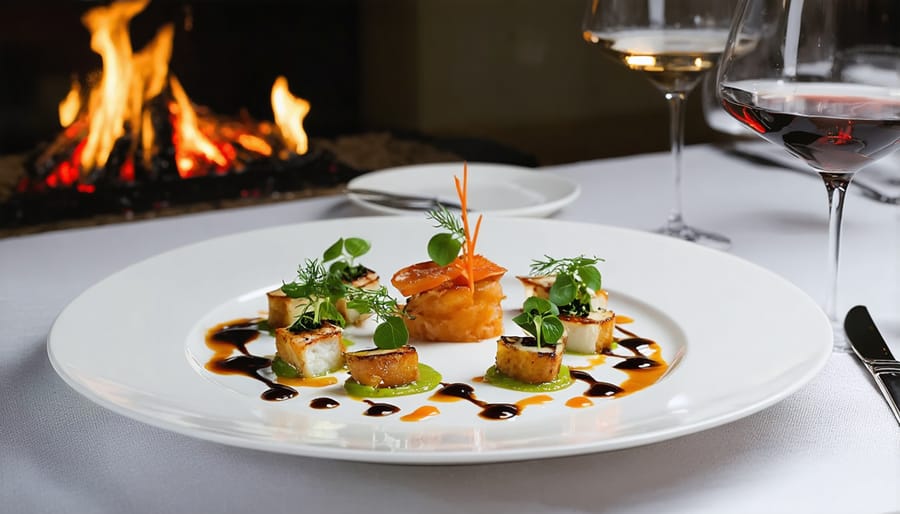
Service Protocols Across Cultures
In today’s globalized hospitality landscape, understanding and respecting cultural nuances has become paramount to delivering exceptional service. Toronto’s diverse hospitality scene exemplifies how luxury dining innovations are being shaped by cultural awareness and sensitivity.
In fine dining establishments, servers are extensively trained in cultural protocols, from the proper handling of chopsticks in Asian restaurants to the traditional service sequence in Middle Eastern venues. For instance, in Japanese establishments, guests are greeted with a respectful bow and hot towels (oshibori) are presented before the meal, while French restaurants maintain the continental style of service from the left and clearing from the right.
The beverage service also varies significantly across cultures. While Western wine service follows strict temperature and decanting protocols, traditional tea ceremonies in Asian establishments require entirely different expertise and presentation methods. Hotels have adapted their in-room dining services to accommodate diverse dietary requirements, from kosher meals to halal options, ensuring every guest feels welcomed and respected.
Cultural sensitivity extends beyond mere service protocols to encompass timing preferences, seating arrangements, and even payment customs. Many high-end establishments now train their staff in cultural etiquette, such as presenting bills discreetly in Asian cultures or understanding the importance of hierarchy in business dining situations. This cultural fluency has become a hallmark of premium hospitality, distinguishing truly exceptional venues from merely adequate ones.
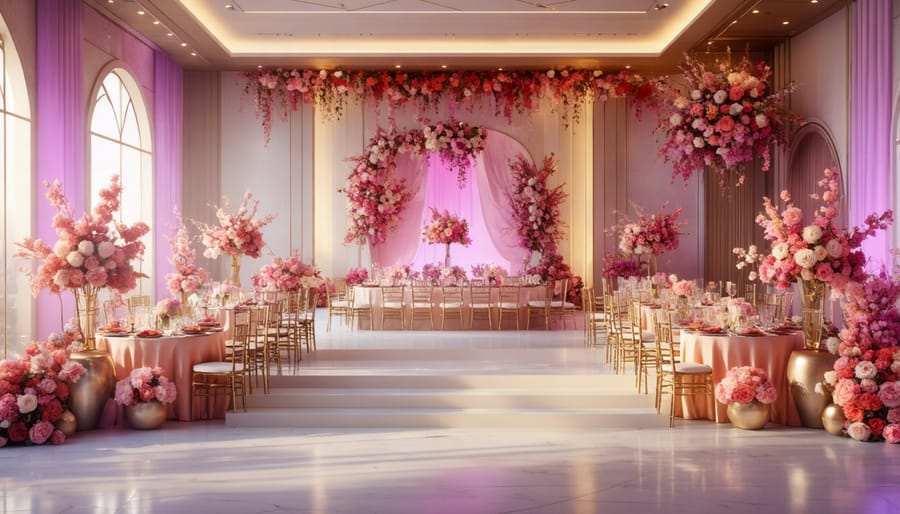
Event Management and Cultural Celebrations
Cultural Event Planning
In the realm of cultural event planning, success hinges on meticulous attention to traditional customs and religious observances. Expert planners begin by conducting thorough research into the specific cultural requirements of their clients, from dietary restrictions to ceremonial protocols. This understanding forms the foundation for creating authentic, respectful experiences that honor cultural heritage while delivering exceptional hospitality.
Key considerations include the selection of appropriate venues that accommodate specific cultural needs, such as prayer rooms or gender-separated spaces for certain religious celebrations. The timing of events must align with religious calendars and cultural observances, while menu planning requires careful consultation with cultural advisors to ensure authenticity and adherence to dietary laws.
Sophisticated event planners also recognize the importance of incorporating traditional elements tastefully, from décor and music to ceremonial rituals. Staff training becomes paramount, with team members receiving cultural sensitivity education to understand proper etiquette, traditional greetings, and appropriate service protocols.
Success in cultural event planning requires establishing relationships with cultural consultants and community leaders who can provide guidance and validation. This collaborative approach ensures events not only meet but exceed expectations while preserving the integrity of cultural traditions.
Cross-Cultural Communication
In today’s globalized hospitality landscape, effective cross-cultural communication stands as a cornerstone of exceptional service delivery. Leading establishments in Toronto’s diverse hospitality scene have mastered the art of cultural sensitivity through comprehensive staff training programs and thoughtfully designed guest interactions.
Successful cross-cultural communication begins with understanding subtle cultural nuances in greeting customs, body language, and dining etiquette. Premium hotels and restaurants employ multilingual staff and provide cultural awareness training to ensure seamless interactions with international guests. This attention to cultural detail extends beyond verbal communication to include appropriate gestures, proper eye contact, and respect for personal space preferences across different cultures.
Menu design and service protocols are carefully crafted to accommodate various cultural dietary requirements and customs. Fine dining establishments often incorporate international dining etiquette into their service standards, from proper chopstick placement for Asian guests to understanding Middle Eastern hand-washing rituals before meals.
Technology plays an increasingly vital role, with translation apps and cultural reference guides becoming standard tools for hospitality professionals. However, the human element remains paramount – successful cross-cultural communication relies on genuine empathy, patience, and a sincere desire to create meaningful connections across cultural boundaries.
Transportation Services and Cultural Awareness
In the realm of luxury transportation services, cultural awareness has become an increasingly vital component of exceptional hospitality. Leading transportation providers in Toronto’s hospitality sector understand that their role extends far beyond mere conveyance – they serve as cultural ambassadors for their guests.
Premium chauffeur services now incorporate extensive cultural training programs for their staff, ensuring drivers are well-versed in appropriate greetings, customs, and etiquette specific to various cultural backgrounds. For instance, many luxury car services maintain detailed profiles of their regular international clients, noting preferred forms of address, seating arrangements, and communication styles.
The sophistication of modern transportation services is evident in their attention to cultural dietary requirements and religious observances. Executive car services often stock their vehicles with appropriate refreshments, considering halal, kosher, and other dietary preferences. During religious occasions such as Ramadan, services adjust their offerings and scheduling to accommodate fasting passengers.
Vehicle selection itself reflects cultural consciousness, with fleet compositions carefully curated to match specific cultural preferences. In some Asian markets, where the color white symbolizes mourning, black vehicles are preferred for executive transport. Similarly, certain numbers are considered more auspicious in specific cultures, influencing vehicle numbering and floor selection in elevator services.
Language capabilities have become a distinguishing feature of premium transportation services. Leading providers employ multilingual chauffeurs and maintain translation services, ensuring seamless communication with international guests. This linguistic adaptability extends to all touchpoints, from booking platforms to in-vehicle entertainment systems.
The integration of technology with cultural awareness has resulted in sophisticated service delivery systems. Mobile apps and booking platforms now incorporate cultural preferences into their interfaces, allowing guests to specify cultural requirements during reservation. This proactive approach to cultural accommodation has become a hallmark of excellence in transportation hospitality.
Through these culturally attuned services, transportation providers create an environment of respect and understanding, essential for delivering truly world-class hospitality experiences.
Wellness and Recreation Services
The wellness and recreation segment of the hospitality industry has evolved significantly to embrace cultural sensitivity, reflecting Toronto’s diverse population and international clientele. Premium spa facilities now incorporate healing traditions from multiple cultures, offering treatments that range from traditional Thai massage to Indigenous Canadian healing rituals, each delivered with authentic respect for their cultural origins.
In the realm of fitness services, culturally-informed programming has become increasingly prevalent. High-end gyms and wellness centers provide specialized spaces for gender-separated workouts, meditation rooms designed with various spiritual practices in mind, and instructors trained in cultural competency. These thoughtful accommodations ensure guests from all backgrounds feel welcomed and respected while pursuing their wellness goals.
Recreational facilities have similarly adapted their offerings to embrace cultural diversity. Private clubs and luxury hotels now feature multilingual staff, culturally-specific dress codes, and diverse dining options that cater to various dietary requirements and preferences. Swimming facilities often provide modified scheduling to accommodate different cultural needs, while recreation programs incorporate international sports and activities popular among various communities.
The integration of cultural awareness extends to the design elements as well. Modern wellness facilities incorporate principles of feng shui, utilize culturally significant materials, and create spaces that respect different cultural perspectives on privacy and community. This attention to detail is particularly evident in premium establishments, where subtle design elements work harmoniously to create an inclusive atmosphere.
Staff training has become a cornerstone of cultural sensitivity in wellness services. Leading facilities invest extensively in cultural competency programs, ensuring their teams understand and respect diverse cultural practices, communication styles, and service preferences. This comprehensive approach to cultural awareness has transformed the wellness sector into a more inclusive space while maintaining the sophistication expected by discerning clients.
Toronto’s reputation as a world-class hospitality destination is firmly rooted in its commitment to cultural sensitivity across all five segments of the industry. From luxury hotels embracing diverse cultural celebrations to fine dining establishments crafting fusion menus that honor multiple culinary traditions, this cultural awareness has become the cornerstone of exceptional service delivery. The city’s hospitality professionals understand that cultural competence isn’t merely about language accommodation—it’s about creating authentic, respectful experiences that resonate with guests from every corner of the globe. This dedication to cultural understanding has elevated Toronto’s standing in the international hospitality landscape, making it a preferred destination for discerning travelers and setting new standards for multicultural service excellence. As the industry continues to evolve, this cultural sensitivity will remain crucial in maintaining Toronto’s position as a premier global destination where every guest feels genuinely welcomed and understood.