
Discover the sophisticated allure of the Toronto cocktail, a masterful blend of Canadian whisky, Fernet-Branca, and subtle aromatics that captures the essence of North America’s fourth-largest city. Born in the golden age of cocktails, this distinguished drink harmoniously balances the bold spice of rye with the complex herbaceous notes of its Italian amaro counterpart. While lesser-known than its Manhattan cousin, the Toronto cocktail has experienced a remarkable renaissance in contemporary craft cocktail bars, where skilled mixologists celebrate its perfect marriage of New World spirits and Old World liqueurs. Whether you’re a seasoned spirits enthusiast or an curious epicurean, this pre-Prohibition classic offers a compelling gateway into the world of sophisticated sipping, showcasing Toronto’s rich drinking culture and the innovative spirit of modern Canadian mixology.
The Birth of a Canadian Classic
Prohibition Era Origins
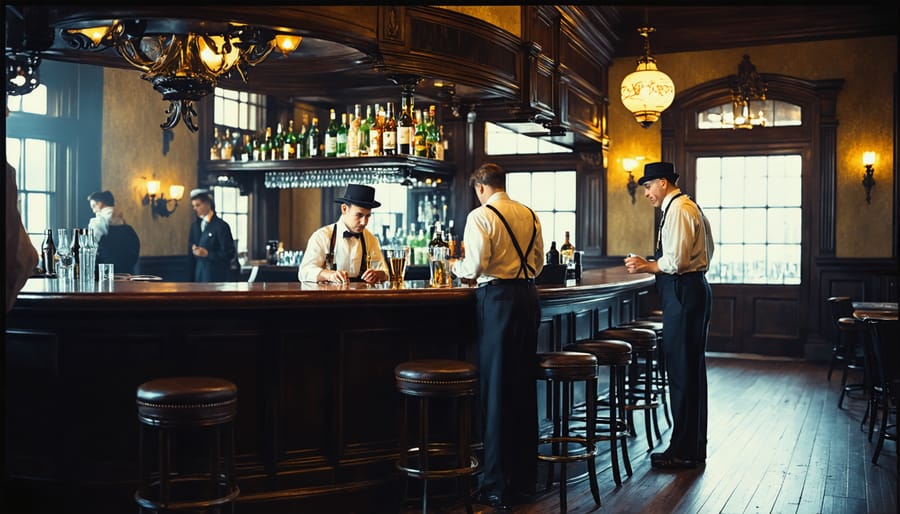
During the tumultuous years of American Prohibition, Toronto emerged as a pivotal hub for whisky production and distribution, setting the stage for the creation of its namesake cocktail. While the United States grappled with its dry spell, Canadian distilleries, particularly those in Toronto, flourished by legally producing high-quality spirits. This period significantly influenced Toronto’s craft distillery heritage and cocktail culture.
The Toronto cocktail is believed to have originated in the early 1920s when American bartenders, seeking refuge north of the border, brought their expertise to the city’s sophisticated drinking establishments. These craftsmen found themselves working with Canadian whisky, particularly the robust rye variants that were readily available. The addition of Fernet-Branca, an Italian amaro, reflected the cosmopolitan nature of Toronto’s drinking culture and the international influences shaping the city’s cocktail scene.
The drink became a symbol of Toronto’s resistance to complete prohibition, as Ontario maintained a more measured approach to alcohol regulation through the government-controlled LCBO system.
From Local Secret to International Recognition
The Toronto cocktail’s ascent from a local specialty to an internationally recognized libation mirrors the city’s own evolution into a global culinary destination. In the 1920s, the drink remained a hidden gem, known primarily to discerning patrons of Toronto’s most sophisticated establishments. However, its distinctive profile, marked by the harmonious marriage of Canadian whisky and Fernet-Branca, began catching the attention of traveling mixologists and spirits enthusiasts.
By the 1950s, the cocktail had made its way into several influential bar guides, though it wasn’t until the craft cocktail renaissance of the early 2000s that it truly gained widespread recognition. Leading cocktail historians and mixologists began championing the Toronto as a testament to Canadian ingenuity in spirits, highlighting its perfect balance of sweet, bitter, and aromatic notes.
Today, the Toronto cocktail graces menus at premier establishments from New York to London, while maintaining its special status in its namesake city. Its journey represents not just a drink’s evolution, but the emergence of Canadian cocktail culture on the global stage.
Crafting the Perfect Toronto Cocktail

Essential Ingredients
To craft the quintessential Toronto cocktail, you’ll need a carefully curated selection of premium ingredients. Begin with a base of 2 ounces of Canadian rye whisky – Lot 40 or Crown Royal Northern Harvest Rye are exemplary choices that showcase the drink’s Canadian heritage. The backbone of this sophisticated cocktail requires ¼ ounce of Fernet-Branca, the distinguished Italian amaro that lends its characteristic bitter complexity.
For balance, incorporate ½ ounce of Angostura bitters, which provides depth and aromatic notes. The final essential component is ¼ ounce of simple syrup, preferably house-made using a 1:1 ratio of filtered water and premium cane sugar. While not strictly necessary, keeping an orange for garnish enhances both presentation and aromatic experience.
For optimal results, ensure all ingredients are of the highest quality and properly stored. The whisky should be maintained at room temperature, while your Fernet-Branca and bitters are best kept in a cool, dark place. Fresh simple syrup will maintain its integrity for approximately two weeks when refrigerated in an airtight container.
Mixing Technique
Begin by selecting a mixing glass and filling it with premium ice cubes. Pour 2 ounces of Canadian rye whisky, followed by ¾ ounce of Fernet-Branca, and ¼ ounce of simple syrup. Add 2-3 dashes of Angostura bitters to complete the ingredient assembly.
Using a long-handled bar spoon, stir the mixture with precise, fluid movements for approximately 30-45 seconds. This technique ensures proper dilution and achieves the optimal serving temperature while maintaining the drink’s clarity. The goal is to achieve a silky texture without over-diluting the spirits.
Strain the cocktail through a julep strainer into a chilled coupe or Nick & Nora glass. For enhanced presentation and aroma, express an orange peel over the surface of the drink, allowing the citrus oils to create a subtle mist. Gently run the orange peel around the rim of the glass before using it as a garnish.
Professional tip: Pre-chill your glassware for at least 15 minutes in the freezer to ensure the cocktail maintains its ideal temperature throughout the drinking experience. For the most authentic taste, select a high-quality Canadian rye with pronounced spice notes.
Presentation and Garnish
Serve this distinguished cocktail in a chilled Nick & Nora glass or classic coupe to showcase its deep amber hue. For traditional presentation, express an orange peel over the surface and gently rub it around the rim before dropping it into the drink. Modern interpretations sometimes feature a dehydrated orange wheel balanced on the rim, adding both visual appeal and aromatic complexity. For special occasions, consider a smoked glass presentation, which enhances the whiskey’s inherent depth and complements the Fernet-Branca’s herbaceous notes. A crystal-clear ice sphere not only keeps the drink perfectly chilled but also adds an element of refined sophistication that befits this historic cocktail’s premium status.

Where to Experience the Toronto Cocktail
Historic Bars
Several historic Toronto establishments have maintained the legacy of the Toronto cocktail, each adding their own subtle nuances to this distinguished libation. The Roof Lounge at the Park Hyatt, with its panoramic city views, has been serving the Toronto since the 1950s, featuring their signature house-aged Fernet-Branca that adds remarkable depth to the classic recipe.
The Library Bar at the Royal York Hotel, a bastion of sophistication since 1929, presents their interpretation with locally-sourced Canadian whisky and a proprietary blend of aromatic bitters. Their master mixologists maintain meticulous records of the drink’s evolution through the decades.
CC Lounge & Whisky Bar, though more contemporary, has earned its place among Toronto’s cocktail institutions by offering multiple variations of the Toronto, including an exceptional version aged in Canadian oak barrels for 30 days. Their innovative approach pays homage to the drink’s heritage while pushing its boundaries.
These establishments not only preserve the Toronto cocktail’s tradition but serve as living museums where patrons can experience the drink’s rich history in its authentic setting.
Modern Interpretations
Today’s most innovative mixologists have reimagined the Toronto cocktail while honoring its distinguished heritage. At Distillery District’s finest establishments, bartenders are crafting sophisticated variations that showcase contemporary palates. Notable interpretations include the addition of house-made aromatic bitters, featuring locally sourced botanicals and spices that pay homage to Toronto’s multicultural identity.
Several premium establishments have introduced barrel-aged versions, where the classic recipe matures in oak casks for 4-6 weeks, developing deeper complexity and a silken mouthfeel. Some mixologists experiment with alternative base spirits, such as premium Canadian rye whiskeys aged in cognac barrels, while others incorporate small-batch Fernet alternatives crafted by local distilleries.
The “New Toronto” variation, gaining popularity in upscale cocktail lounges, features maple-infused simple syrup and a delicate smoke element, capturing both Canadian heritage and modern mixology techniques. Garnish innovations have evolved beyond the traditional orange peel to include house-preserved cherries, crystallized maple leaves, and even gold leaf for special occasions.
These contemporary interpretations maintain the cocktail’s sophisticated profile while introducing elements that reflect Toronto’s evolution as a world-class culinary destination.
Expert Insights
“The Toronto cocktail represents the perfect marriage of Canadian whisky tradition and Italian amaro sophistication,” explains James Morrison, head mixologist at The Sovereign Room. “Its beauty lies in the delicate balance between the robust whisky backbone and the gentle bitterness of Fernet-Branca.”
Christina Lee, beverage historian and author of “North American Cocktail Evolution,” notes that the drink’s creation coincided with Toronto’s emergence as a cosmopolitan hub in the early 20th century. “The Toronto cocktail embodies the city’s transformation from a provincial town to a global metropolis. It’s particularly fascinating how it incorporated Italian amaro during a time when European influences were reshaping Toronto’s culinary landscape.”
At Bar Raval, celebrated mixologist Michael Webster demonstrates the drink’s enduring appeal. “What makes the Toronto special is its adaptability. While we honor the classic recipe, we’ve seen beautiful variations using local Canadian ingredients. Some bartenders experiment with different amari or add maple notes, though purists might disagree.”
“The key,” adds Morrison, “is using a high-quality Canadian whisky that can stand up to Fernet-Branca’s complexity. The simple syrup and Angostura bitters are supporting players that unite these bold flavors into something truly memorable.”
The Toronto cocktail stands as a testament to the city’s sophisticated drinking culture, embodying both tradition and innovation in every perfectly balanced sip. From its humble beginnings to its current status as a celebrated classic, this whiskey-forward creation has earned its place among the world’s most respected cocktails. Today, you’ll find it expertly crafted in Toronto’s finest establishments, from historic hotel bars to trendy craft cocktail lounges, each adding their own subtle interpretation while honoring the original recipe. Whether you’re a seasoned spirits enthusiast or new to the world of craft cocktails, the Toronto represents more than just a drink – it’s a liquid ambassador of the city’s rich cultural heritage and continuing evolution as a world-class culinary destination. As cocktail culture continues to flourish, this distinguished blend of Canadian whisky, Fernet-Branca, and aromatic bitters remains a proud symbol of Toronto’s contribution to the global spirits landscape.