
Delve into the ancestral wisdom of North America’s first peoples through their profound relationship with food – a connection that transcends mere sustenance to embrace spirituality, community, and environmental stewardship. Within Toronto’s vibrant culinary landscape, indigenous foodways are experiencing a remarkable renaissance, as celebrated chefs reimagine traditional ingredients and techniques for contemporary palates. From the three sisters’ companion planting of corn, beans, and squash to the sophisticated preservation methods that sustained nations through harsh winters, these time-honored practices offer invaluable insights into sustainable gastronomy. Today’s leading Indigenous culinary artists are masterfully bridging ancestral knowledge with modern innovation, creating extraordinary dining experiences that honor both tradition and evolution. Their menus showcase foraged ingredients like sweetgrass, wild rice, and chaga mushrooms alongside heritage proteins such as bison and Arctic char, presenting these elements with refined technique and profound respect for their cultural significance.
The Heritage of Indigenous Cuisine
Traditional Ingredients and Techniques
Indigenous foodways are anchored in a profound understanding of local ecosystems, featuring ingredients that have sustained communities for millennia. Traditional preparation methods often involve slow-cooking techniques like earth ovens, where food is wrapped in leaves and cooked underground with hot stones. This method imparts a distinctive earthiness to dishes while preserving nutrients essential to Indigenous diets.
Key ingredients include wild rice harvested from lakes, various types of squash, and foraged ingredients such as chaga mushrooms, sweetgrass, and wild berries. Game meats like venison and elk are often prepared using smoking techniques that have been refined over generations, while fish is traditionally preserved through drying or smoking over aromatic wood.
Fermentation plays a crucial role, with traditional preservation methods creating complex flavor profiles in foods like corn, beans, and various wild plants. These techniques not only extend the shelf life of seasonal ingredients but also enhance their nutritional value. The practice of nose-to-tail cooking ensures minimal waste, reflecting a deep-rooted philosophy of respect for natural resources and sustainable harvesting practices that continue to influence contemporary Indigenous cuisine.
Seasonal Cycles and Food Sovereignty
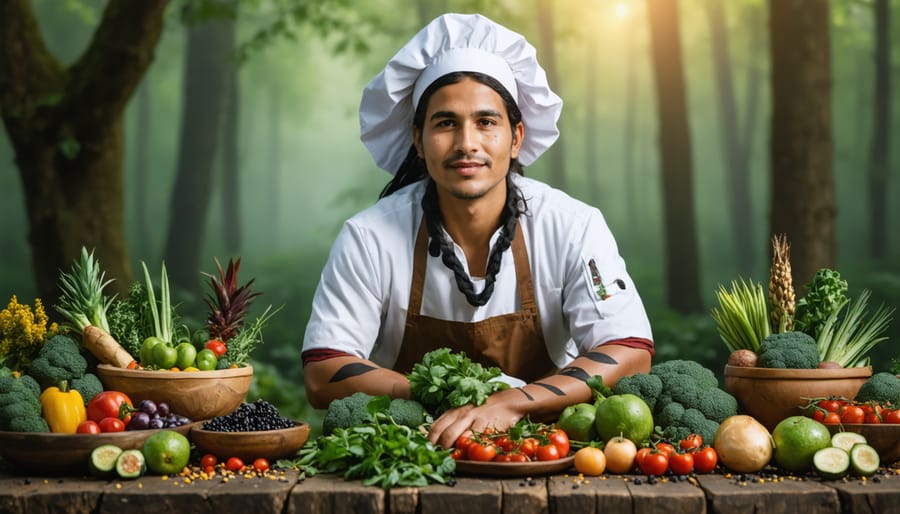
Indigenous communities have long practiced sustainable food harvesting guided by sophisticated seasonal calendars that reflect deep ecological knowledge. These calendars, passed down through generations, detail precise timing for gathering wild rice, hunting game, and harvesting berries based on natural indicators rather than conventional calendar dates. Each season brings its distinct bounty: spring offers tender fiddleheads and maple sap, summer yields an abundance of berries and fresh fish, autumn brings wild rice and game hunting, while winter focuses on preserved foods and specific hunting practices.
This cyclical approach to food procurement ensures resource preservation while maintaining food sovereignty. Modern Indigenous chefs are reviving these traditional timing systems, incorporating seasonal ingredients into refined contemporary menus that honor ancestral wisdom. By following these time-tested harvesting cycles, they maintain ecosystem balance while creating exceptional dining experiences that showcase the sophistication of Indigenous food knowledge. This harmonious relationship between seasonality and sustenance continues to influence sustainable culinary practices across North America’s finest restaurants.
Toronto’s Indigenous Fine Dining Movement
Pioneering Chefs and Restaurants
At the forefront of Indigenous cuisine’s renaissance stands Chef Sean Sherman, founder of The Sioux Chef, whose Minneapolis-based restaurant has earned accolades for elevating pre-colonial ingredients to fine dining excellence. His commitment to decolonizing Indigenous food practices has inspired a new generation of chefs across North America.
In Vancouver, Chef Andrea Carlson’s Burdock & Co seamlessly integrates foraged Indigenous ingredients into contemporary tasting menus, while Toronto’s Kukum Kitchen, led by Chef Joseph Shawana, masterfully presents traditional Ojibwe recipes with modern sophistication. The restaurant’s elk tartare and cedar-smoked Arctic char exemplify the delicate balance between heritage and innovation.
Rich Francis, Canada’s first Indigenous chef to compete on Top Chef Canada, continues to push boundaries through his concept of “Aboriginal fusion.” His private dining experiences showcase traditional cooking methods alongside refined plating techniques, creating memorable culinary narratives that honor his Gwich’in roots.
In Seattle, Chef Hillel Echo-Hawk’s Birch Basket events have transformed Indigenous dining into immersive cultural experiences. Her menus feature sophisticated interpretations of traditional ingredients like salmon roe, wild rice, and foraged mushrooms, paired with carefully selected wines from Indigenous-owned vineyards.
These pioneering chefs aren’t just creating exceptional dining experiences; they’re preserving cultural heritage while advancing Indigenous cuisine into the contemporary fine dining landscape.
Signature Dishes and Wine Pairings
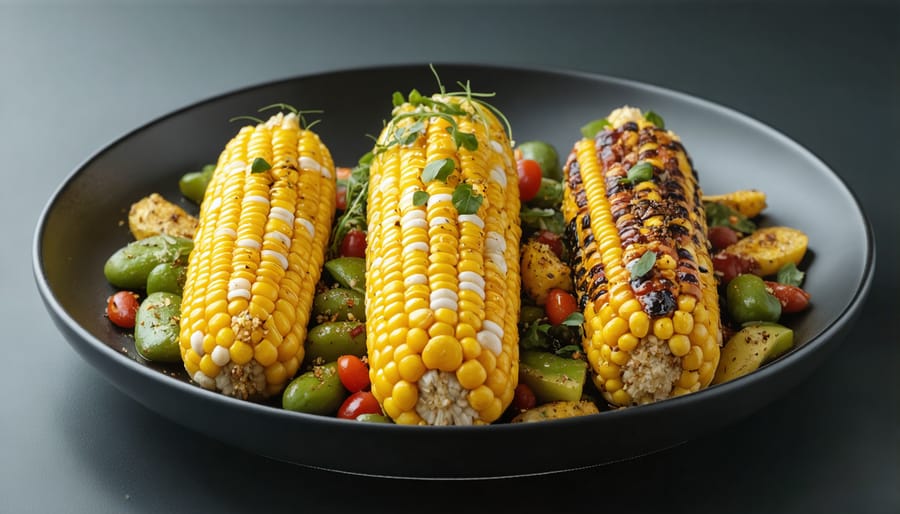
Modern Indigenous cuisine artfully pairs ancestral ingredients with contemporary wine selections, creating extraordinary dining experiences that honor traditional foodways. The cornerstone of many signature dishes draws inspiration from Three Sisters traditional cooking, where corn, beans, and squash form harmonious foundations for innovative preparations.
A standout dish featuring cedar-plank smoked Arctic char, crusted with crushed juniper berries and spruce tips, finds its perfect match in an Ontario Riesling, whose bright acidity and mineral notes complement the delicate smoke and maritime flavors. For hearty preparations of bison, prepared using traditional slow-cooking methods and finished with foraged mushrooms, sommeliers often recommend bold British Columbia Cabernet Francs, whose herbaceous undertones and firm structure stand up to the robust meat.
Wild rice risotto, enriched with hand-harvested morels and sweetgrass-infused cream, pairs beautifully with oaked Chardonnays from the Niagara Peninsula. Their buttery notes and subtle vanilla characteristics enhance the dish’s earthy complexity. For dessert, traditional saskatoon berry and maple preparations shine alongside late-harvest Vidal ice wines, creating a uniquely Canadian finale that bridges indigenous ingredients with colonial viticultural traditions.
Modern Interpretations of Traditional Foodways
Innovation Meets Tradition
In today’s most innovative Toronto’s premium dining destinations, Indigenous ingredients are being reimagined through contemporary culinary techniques while honoring their traditional significance. Expert chefs are utilizing sous-vide preparation for game meats like elk and venison, achieving precise temperature control while preserving the proteins’ delicate flavors. Traditional preservation methods like smoking and fermentation are being elevated through precise temperature and humidity control, creating complex flavor profiles that bridge ancient wisdom with modern gastronomy.
Foraged ingredients such as spruce tips, sweetgrass, and wild mushrooms are transformed through molecular gastronomy techniques, appearing as ethereal foams, delicate gels, and crisp textures that challenge diners’ expectations while maintaining their essential character. Chefs are also embracing contemporary plating techniques, presenting these time-honored ingredients with artistic precision that speaks to both their cultural significance and culinary innovation.
This marriage of old and new extends to beverage programs, where mixologists craft sophisticated cocktails incorporating traditional medicines like cedar and sage, while sommeliers pair dishes with wines that complement both traditional and modern flavor elements.
Cultural Preservation Through Fine Dining
In recent years, innovative chefs and restaurateurs have elevated Indigenous cuisine to new heights, creating elegant dining experiences that honor traditional foodways while introducing them to contemporary audiences. At prestigious establishments like Alo, Chef John-Paul Fiebelkorn incorporates ancient preservation techniques and foraged ingredients into his tasting menus, presenting cedar-smoked Arctic char alongside locally harvested spruce tips and birch syrup reductions.
These fine dining venues serve as cultural ambassadors, offering diners not just a meal, but an education in Indigenous culinary heritage. The careful plating of traditional ingredients like wild rice, sumac, and juniper berries in modern preparations helps preserve these foods’ cultural significance while demonstrating their versatility in contemporary gastronomy.
Leading Indigenous chefs are crafting innovative tasting menus that tell stories of their heritage through sophisticated technique and presentation. These experiences often feature wine pairings specifically chosen to complement unique Indigenous ingredients, creating bridges between Old World vintages and New World traditions.
The movement extends beyond the plate, with restaurants incorporating Indigenous art, music, and storytelling into their dining experiences. This holistic approach ensures that traditional foodways aren’t simply preserved as museum pieces, but continue to evolve while maintaining their cultural integrity in the modern culinary landscape.
Where to Experience Indigenous Fine Dining
Premium Dining Venues
In the heart of Toronto’s culinary landscape, a new wave of Indigenous fine dining establishments has emerged, offering sophisticated interpretations of traditional foodways. At Oskana, Chef Marie Whitedeer presents an eight-course tasting menu that elevates ancestral ingredients to new heights. Her signature dish, cold-smoked Arctic char with foraged wintergreen and preserved wild blueberries, exemplifies the delicate balance between heritage and innovation.
The recently opened Northern Lodge has quickly established itself as a beacon of Indigenous haute cuisine. Executive Chef James Running Bear crafts exquisite dishes using traditional cooking methods like clay baking and smoke preservation, paired with an extensive wine list featuring Indigenous-owned vineyards. The restaurant’s cedar-planked Manitoba pickerel, served with wild rice risotto and seasonal foraged mushrooms, has become a coveted reservation among Toronto’s epicureans.
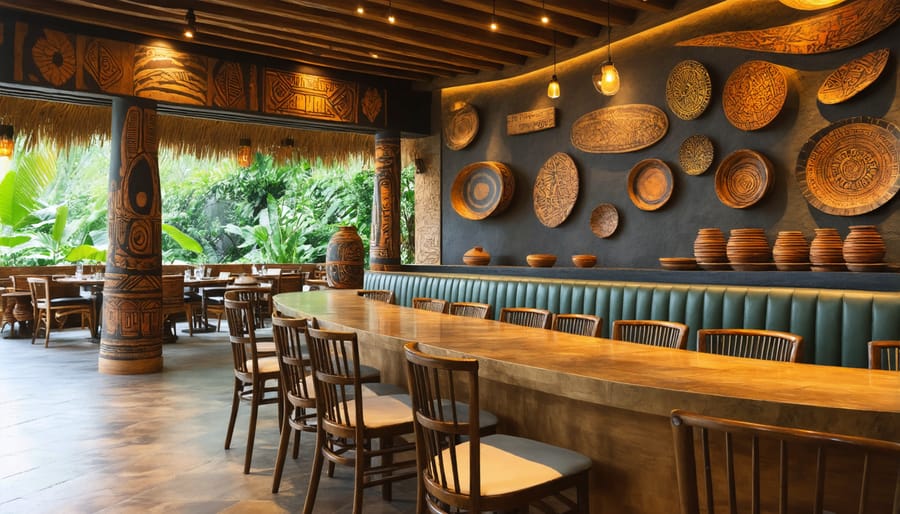
At Spirit House, the intimate 24-seat dining room offers an immersive experience where each course tells a story of Indigenous culture and tradition. The restaurant’s commitment to sourcing extends beyond ingredients to include handcrafted ceramics from Indigenous artisans and custom-designed furniture incorporating traditional motifs. Their tasting menu, which changes with the thirteen moons of the Indigenous calendar, might feature delicacies such as pine-needle cured duck breast or birch-sap glazed venison.
These venues have revolutionized fine dining by incorporating traditional knowledge into contemporary gastronomy. Prix fixe menus typically range from $150-$275 per person, with optional wine pairings curated to complement the unique flavor profiles of Indigenous ingredients. Reservations often need to be made months in advance, particularly for Spirit House’s coveted chef’s counter experience.
Each establishment maintains strong connections with Indigenous suppliers and foragers, ensuring the authenticity and sustainability of their ingredients while supporting Indigenous economic development. These restaurants not only serve exceptional meals but also act as cultural ambassadors, offering diners an elevated perspective on North America’s original cuisine.
Special Events and Tasting Experiences
Throughout the year, discerning diners can immerse themselves in exclusive Indigenous culinary experiences that showcase the depth and sophistication of traditional foodways. At the forefront is the quarterly “Spirit of the Land” dinner series, where distinguished Indigenous chefs craft elaborate seven-course tasting menus that follow the natural rhythm of seasonal harvests.
These intimate gatherings, typically limited to 20 guests, begin with a traditional blessing and smudging ceremony, followed by carefully curated dishes that might include cold-smoked Arctic char with foraged spruce tips, or pan-seared elk medallions accompanied by wild mushroom ragout. Each course is thoughtfully paired with either natural wines or craft beverages incorporating Indigenous botanicals.
The annual Indigenous Food Summit presents a grand tasting experience where multiple chefs collaborate to create innovative dishes that honor ancestral techniques while embracing contemporary presentation. Guests can participate in interactive workshops on traditional preservation methods, wild food identification, and the art of bannock-making.
For those seeking a more personalized experience, several establishments offer private Indigenous tasting experiences. These bespoke events can be customized to focus on specific regional traditions or seasonal specialties. Popular options include the “Three Sisters” vegetarian tasting menu, celebrating the agricultural harmony of corn, beans, and squash, and the “Hunter’s Feast,” featuring a selection of game meats prepared using time-honored smoking and cooking techniques.
Advanced reservations are essential for these sought-after experiences, which often sell out months in advance. Prices typically range from $150 to $300 per person, reflecting the premium ingredients and expert preparation involved in these distinctive culinary journeys.
As Toronto’s culinary landscape continues to evolve, Indigenous fine dining stands poised to redefine luxury gastronomy in the city. The growing appreciation for traditional ingredients and techniques, combined with innovative culinary approaches, suggests a promising future for this distinctive cuisine. Leading Indigenous chefs are increasingly incorporating ancestral wisdom into contemporary preparations, creating experiences that transcend mere dining to become cultural celebrations.
The emergence of Indigenous-owned establishments and the integration of First Nations’ culinary traditions into established restaurants signal a significant shift in Toronto’s gastronomic scene. These venues not only preserve centuries-old foodways but also create new narratives around Indigenous cuisine, elevating it to the highest echelons of fine dining.
Looking ahead, we can anticipate more sophisticated tasting menus featuring foraged ingredients, wine pairings that complement traditional flavors, and immersive dining experiences that honor Indigenous culinary heritage. The increasing demand for authentic, sustainable, and culturally significant dining experiences suggests that Indigenous fine dining will continue to flourish in Toronto’s competitive restaurant market.
As diners become more conscious of food provenance and cultural authenticity, Indigenous fine dining establishments are uniquely positioned to offer both exceptional cuisine and meaningful connections to Canada’s culinary roots. This renaissance of Indigenous foodways in Toronto’s fine dining scene represents not just a trend, but a lasting transformation in how we appreciate and celebrate North America’s original cuisine.