
Deep in Toronto’s culinary underground, a revolution is quietly taking root. Beyond the farm-to-fork movement, an even more primal approach to gastronomy emerges: wild culture. Here, celebrated chefs forage in urban forests for spruce tips and milkweed pods, while mycologists cultivate rare mushrooms in century-old warehouse basements. This isn’t merely about ingredients—it’s a sophisticated rebellion against industrial food systems, where wild-fermented beverages share menus with hand-harvested botanicals and locally foraged delicacies.
In the city’s most prestigious kitchens, indigenous knowledge meets modern technique, creating a uniquely Canadian haute cuisine that speaks of terroir and tradition. Lamb’s quarters picked from abandoned lots transform into delicate garnishes for $200 tasting menus, while fermented wild berries elevate craft cocktails into transcendent experiences. This movement represents more than a culinary trend—it’s a return to our gastronomic roots, reimagined through the lens of contemporary fine dining.
The Rise of Wild Gastronomy in Toronto
From Forest to Table
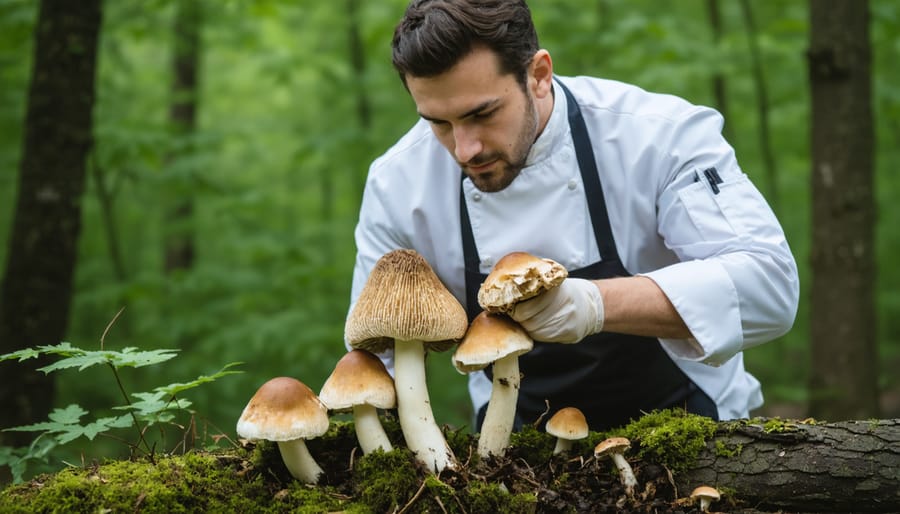
In Toronto’s evolving culinary landscape, the art of foraging has become an integral part of local ingredient sourcing, creating a vital bridge between wilderness and fine dining. Leading chefs have forged meaningful partnerships with indigenous suppliers and expert foragers, who bring treasures like morels, wild leeks, and sweetgrass to restaurant kitchens throughout the seasons.
These relationships go beyond simple transactions, embodying generations of traditional knowledge and sustainable harvesting practices. Expert forager James Running Wolf, who supplies several of the city’s most prestigious establishments, explains, “Each mushroom, each wild herb tells a story of our land’s abundance. We harvest with respect, ensuring these gifts continue for future generations.”
The practice has inspired a new generation of chefs to explore the terroir of Ontario’s forests. At renowned establishments like Edulis and Actinolite, menus transform weekly based on foraged findings, from delicate spruce tips in spring to robust wild mushrooms in autumn. This movement not only elevates dining experiences but also preserves and celebrates indigenous food knowledge while supporting sustainable forest-to-table practices.
Traditional Meets Contemporary
In Toronto’s most innovative kitchens, forward-thinking chefs are revolutionizing traditional wild ingredients through modern gastronomy. At Edulis, Chef Michael Caballo transforms foraged morels into delicate mousses using molecular gastronomy techniques, while preserving their earthy essence. The traditional practice of cooking with wild leeks finds new expression in sous-vide preparations at Richmond Station, where the alliums are precisely temperature-controlled to maintain their delicate flavor profile.
Master forager and chef Scott Savoie regularly collaborates with the city’s top restaurants, introducing chefs to indigenous ingredients like sweetfern and wintergreen, which are then reimagined through contemporary plating and preservation methods. At Actinolite, wild ingredients are dehydrated, fermented, and transformed into innovative garnishes that pay homage to their natural origins while pushing culinary boundaries.
Perhaps most intriguingly, mixologists are incorporating wild botanicals into their craft cocktail programs, creating sophisticated beverages that bridge the gap between forest floor and luxury bar. Pine needle tinctures and birch-infused spirits exemplify how wild ingredients can elevate modern drink crafting while maintaining their authentic character.
Signature Wild Ingredients
Seasonal Foraged Treasures
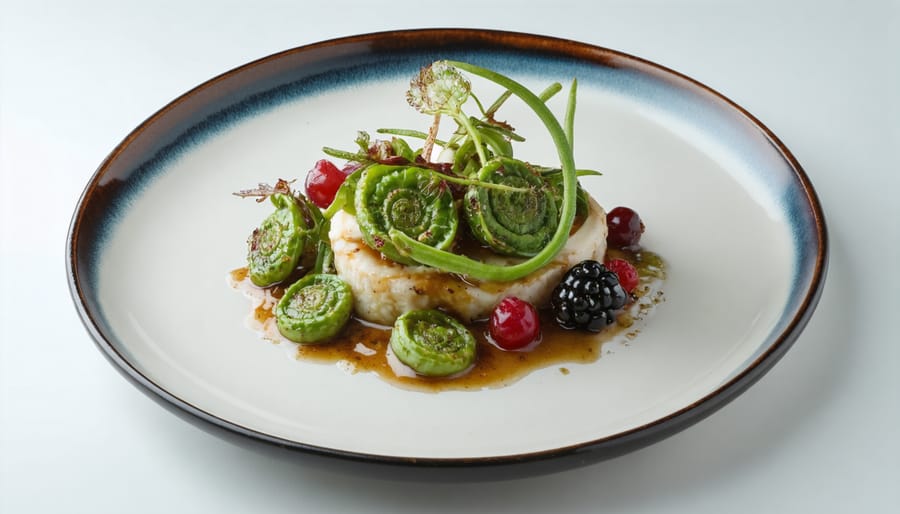
The culinary calendar in Toronto’s wild food scene ebbs and flows with nature’s rhythms, offering an ever-changing palette of foraged delicacies. Spring heralds the arrival of prized morel mushrooms, their honeycomb-textured caps emerging from beneath winter’s fallen leaves, alongside tender fiddleheads unfurling in damp forest hollows. These ephemeral treasures, along with wild herbs and botanicals, command premium prices at specialty markets and feature prominently on tasting menus throughout the city.
Summer brings an abundance of wild berries, from tart gooseberries to jewel-like wild blueberries, each variety offering distinct nuances that elevate both sweet and savory preparations. Foragers celebrate the appearance of chanterelles, their apricot-scented golden flesh providing an ethereal complement to refined dishes.
As autumn approaches, the woodland floor yields matsutake mushrooms, their complex pine-spice aroma particularly prized in Japanese-influenced cuisine. Wild ginger, juniper berries, and spruce tips add sophisticated notes to craft cocktails and innovative desserts. Even winter offers its bounties, with preserved ingredients and hardy specimens like winter oyster mushrooms maintaining the connection to Ontario’s wild terroir year-round.
These seasonal treasures represent not just ingredients, but a preservation of traditional knowledge and a celebration of our region’s natural abundance, transformed through contemporary culinary expertise.
Indigenous Pantry Essentials
In the heart of traditional Indigenous cuisine lies a carefully curated collection of preserved staples that have sustained communities through generations. These pantry essentials reflect not only practical preservation methods but also deep cultural wisdom about seasonal abundance and sustainable harvesting.
Dried berries, particularly saskatoon berries and wild blueberries, form the cornerstone of many Indigenous pantries, offering concentrated flavors and vital nutrients throughout the year. Wild rice, hand-harvested from lakes and properly dried, presents nutty, complex notes that far surpass commercial varieties. Traditional preservation techniques transform this grain into a shelf-stable treasure.
Smoke-dried meat, known as pemmican when combined with rendered fat and berries, represents perhaps the most significant preserved protein. This energy-dense food traditionally sustained hunters and travelers through harsh winters. Similarly, dried fish, especially whitefish and salmon, preserved through smoking or air-drying, provides essential proteins and omega-3 fatty acids.
Indigenous pantries also feature an array of dried mushrooms, particularly morels and chanterelles, gathered during peak seasons. These fungi impart intense umami flavors to broths and stews. Preserved wild herbs such as sage, sweetgrass, and cedar demonstrate both culinary and ceremonial significance, while dried maple sugar, produced through careful reduction of spring sap, serves as a traditional sweetener.
These preservation methods not only ensure food security but also concentrate flavors, creating complex taste profiles that modern chefs are increasingly incorporating into contemporary cuisine.
Toronto’s Wild Culture Pioneers
Innovative Restaurant Concepts
In the heart of Toronto’s evolving culinary landscape, a new wave of restaurants is championing the wild food movement with unprecedented sophistication. Leading this gastronomic revolution is Boralia, where Chef Wayne Morris crafts elegant dishes inspired by pre-confederation recipes and indigenous ingredients. Their signature dish, pine-needle smoked mussels, exemplifies the delicate balance between historical authenticity and contemporary refinement.
At Actinolite, Chef Justin Cournoyer’s tasting menu showcases foraged ingredients from Ontario’s vast wilderness, presenting them alongside precisely curated wine pairings. The restaurant’s ever-changing menu reflects nature’s rhythms, featuring items like spruce tips in spring and wild mushrooms in autumn.
The newly opened Wild Feast has garnered attention for its innovative approach to indigenous cuisine. Chef Marie Running Deer combines traditional First Nations cooking techniques with modern gastronomy, creating dishes like cedar-planked Arctic char with foraged wintergreen and preserved wild berries. Their beverage program, featuring house-made botanical spirits and wines from Ontario’s emerging natural wine producers, perfectly complements the wild-inspired menu.
Notable mention goes to The Forager’s Table, an intimate 12-seat chef’s counter experience where guests interact directly with the culinary team while enjoying dishes crafted from that day’s wild harvest. Their commitment to sustainable practices extends beyond the plate, with an impressive zero-waste initiative and partnerships with local indigenous communities for responsible ingredient sourcing.
These establishments not only offer exceptional dining experiences but also serve as custodians of Canada’s culinary heritage, preserving traditional knowledge while pushing the boundaries of contemporary gastronomy.
Chef Perspectives
Toronto’s culinary innovators are championing the wild food movement with remarkable creativity and respect for indigenous ingredients. “Wild ingredients connect us to the land in ways that conventional produce simply cannot,” explains Chef Jonathan Gushue of George Restaurant. “Each foraged element tells a story of our terroir and seasons.”
At Edulis Restaurant, Chef Michael Caballo describes his philosophy of working with wild ingredients: “It’s about patience and understanding nature’s rhythm. When we discover perfect morels or chanterelles, we let their inherent qualities guide our dishes rather than overwhelming them with technique.”
Chef Charlotte Langley, known for her innovative approach to Canadian cuisine, emphasizes sustainability in foraging practices. “We work closely with professional foragers who understand the delicate balance of harvesting wild ingredients. It’s crucial to preserve these resources for future generations while celebrating their unique flavors today.”
The integration of wild ingredients requires both expertise and restraint, according to Chef Brandon Olsen. “Working with wild ingredients demands profound respect. Whether it’s spruce tips in spring or wild leeks in summer, timing is everything. These ingredients can’t be forced or rushed – they arrive when nature decides.”
These chefs unanimously agree that the wild food movement has transformed Toronto’s culinary landscape. “Our guests are increasingly knowledgeable about and interested in wild ingredients,” notes Chef Suzanne Barr. “They appreciate the connection to our local environment and the unique dining experiences these elements create. It’s not just about novelty; it’s about rediscovering our natural heritage through cuisine.”
Wine and Spirit Pairings
Indigenous-Inspired Cocktails
In Toronto’s thriving mixology scene, a new wave of innovative bartenders is drawing inspiration from Indigenous traditions and locally foraged ingredients to create uniquely Canadian libations. At Bar Isabel, the Forest Floor Martini combines cedar-infused gin with wild mushroom tincture and spruce tips, garnished with dehydrated chanterelles. The resulting cocktail offers a sophisticated interpretation of the boreal forest in liquid form.
Renowned mixologist Robin Goodfellow of Pretty Ugly Bar crafts the “Medicine Walk,” featuring sweetgrass-infused bourbon, birch syrup, and wild bergamot bitters. Each sip tells a story of traditional healing plants reimagined through contemporary cocktail culture.
The Native Spirit collection at Mother includes the striking “Northern Lights,” where wild blueberry-infused vodka meets labrador tea and a splash of candied sumac syrup. The garnish of fresh juniper berries and crystallized spruce needles creates an ethereal presentation worthy of its namesake.
These establishments source their foraged ingredients through partnerships with Indigenous knowledge keepers and professional foragers, ensuring sustainable harvesting practices while honoring traditional wisdom. Seasonal variations showcase nature’s changing bounty, from spring’s tender fiddleheads to autumn’s tart sea buckthorn berries, each bringing distinct character to these sophisticated compositions.
Beverage programs increasingly feature educational components, offering guests insights into Indigenous plant knowledge and traditional uses, elevating these cocktails beyond mere libations to cultural experiences.

Wine Selection Guidelines
When pairing wines with wild ingredients, the key lies in complementing rather than overwhelming their delicate, often nuanced flavors. Light to medium-bodied white wines, particularly those with mineral notes, beautifully enhance foraged mushrooms and wild herbs. Consider selecting a Chablis or Sancerre, whose subtle chalky undertones harmonize with earthier elements while maintaining brightness.
For game meats and robust wild plants, opt for wines with sufficient structure to match their intensity. A well-aged Barolo or Barbaresco offers the perfect partnership with wild boar or venison, while Oregon Pinot Noir provides an elegant complement to duck and lighter game birds. The forest-floor notes in these wines create a sensory connection to wild ingredients.
Natural wines deserve special consideration when working with foraged ingredients. Their unfiltered, minimal-intervention production methods often mirror the pure, unadulterated nature of wild foods. Look for biodynamic producers from Loire Valley or Georgian qvevri wines, whose complex profiles can enhance the unique characteristics of wild ingredients.
For preserved or fermented wild foods, consider wines with higher acidity to cut through intense flavors. A German Riesling or Grüner Veltliner offers the perfect balance, while sparkling wines like Crémant d’Alsace can cleanse the palate between bold wild flavors.
As Toronto’s culinary landscape continues to evolve, the wild culture movement has become an indelible part of the city’s gastronomic identity. What began as a niche interest among foragers and avant-garde chefs has blossomed into a defining characteristic of the city’s finest restaurants, influencing both established institutions and emerging dining destinations.
The integration of wild ingredients into Toronto’s culinary repertoire has fostered a deeper connection between urban diners and the Canadian wilderness. This renewed appreciation for indigenous ingredients has not only elevated local cuisine but has also contributed to the preservation and documentation of traditional food knowledge, creating a bridge between past and present.
The movement’s impact extends beyond restaurant kitchens, inspiring home cooks and food enthusiasts to explore sustainable foraging practices and indigenous ingredients in their own culinary adventures. Educational programs, seasonal workshops, and foraging expeditions have become regular fixtures in Toronto’s food calendar, ensuring that this knowledge continues to spread and evolve.
As we look to the future, wild culture’s influence shows no signs of waning. Instead, it continues to shape Toronto’s reputation as a world-class culinary destination, where innovation meets tradition, and where the bounty of the Canadian wilderness finds its place on the most sophisticated plates. This movement has transformed from a culinary trend into a fundamental aspect of Toronto’s gastronomic heritage, promising to inspire and influence future generations of chefs and food enthusiasts.