
In the dimly lit corners of Toronto’s finest wine cellars, professional wine tasters transform an ancient craft into a refined art form, wielding their expertise with the precision of master craftsmen. These sensory virtuosos decode complex flavor profiles, detect subtle aromatic notes, and pass judgment on vintages worth thousands of dollars with a single, thoughtful sip. Beyond mere enjoyment, they serve as gatekeepers of quality for prestigious restaurants, auction houses, and private collectors, ensuring each bottle meets exacting standards before reaching discerning palates. Their remarkable abilities – honed through years of rigorous training and certification – combine scientific methodology with artistic sensitivity, making them indispensable figures in the world of fine wine and luxury dining. Through their refined palates and encyclopedic knowledge, these experts not only evaluate wines but also shape the very culture of contemporary wine appreciation, influencing everything from vineyard practices to restaurant wine lists.
The Art and Science of Professional Wine Tasting
The Path to Master Sommelier
The journey to becoming a Master Sommelier represents one of the most challenging achievements in the culinary world. The Court of Master Sommeliers, established in 1977, has awarded this prestigious title to fewer than 300 professionals worldwide – a testament to the rigorous nature of the certification process.
Candidates must progress through four increasingly demanding levels: Introductory, Certified, Advanced, and finally, the Master Sommelier Diploma. Each level requires extensive study of wine regions, viticulture, wine law, spirits, and service standards. The Advanced Sommelier examination alone has a pass rate of merely 25%, while the final Master Sommelier examination hovers at an even more daunting 10%.
The Master level examination consists of three challenging components: theory, service, and blind tasting. Candidates must demonstrate encyclopedic knowledge of global wine regions, precise service protocols, and the ability to identify six wines’ varietals, origins, and vintage through deductive tasting – all within 25 minutes.
Most candidates spend between six to ten years preparing for this pinnacle certification, often investing tens of thousands of dollars in education, travel, and wine tasting. The journey demands unwavering dedication, with many professionals practicing blind tasting daily and dedicating countless hours to memorizing minute details about wine regions, producers, and vintages.
Beyond mere knowledge, successful candidates must develop an exceptional palate memory and the ability to articulate subtle flavor nuances with precision and eloquence.
The Tasting Methodology
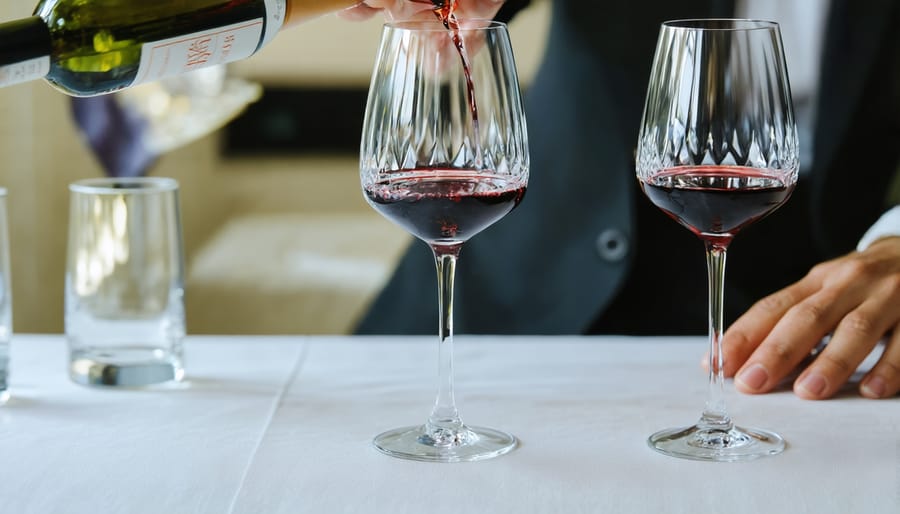
Professional wine tasting follows a systematic approach that engages all senses in a precise sequence. The process begins with a visual assessment, where tasters evaluate the wine’s color, clarity, and viscosity against a white background in proper lighting. The wine’s appearance offers initial clues about its age, varietal, and potential complexity.
The olfactory examination follows, involving a series of short, focused sniffs to identify primary aromas (from the grape), secondary aromas (from fermentation), and tertiary aromas (from aging). Experienced tasters often employ the “clock method,” mentally mapping different aromatic compounds to specific positions on an imaginary clock face.
The actual tasting involves a measured sip, allowing the wine to coat all parts of the palate. Professionals assess multiple elements: sweetness levels, acidity, tannin structure, alcohol content, body, and flavor intensity. The retronasal evaluation – breathing out through the nose while tasting – reveals additional complexity and nuance.
Tasters conclude with an analysis of the wine’s finish, noting its length and final impressions. Throughout the process, detailed notes are recorded using standardized terminology and scoring systems. Most professionals utilize the 100-point scale or the 20-point Davis Wine Aroma Wheel as reference tools.
This methodical approach ensures consistency and objectivity in evaluation, allowing tasters to assess dozens of wines daily while maintaining accuracy and preventing palate fatigue.
Toronto’s Artisanal Dinner Series: A Sommelier’s Perspective
Crafting the Perfect Pairing
In the elegant realm of Toronto’s finest dining experiences, the art of food and wine pairing elevates a meal from merely satisfying to truly extraordinary. Professional sommeliers collaborate intimately with premier personal chefs to orchestrate harmonious combinations that engage all the senses.
This collaborative process begins weeks before a new menu launches, with sommeliers and chefs conducting extensive tasting sessions. They meticulously analyze each dish’s flavor profile, considering elements such as acidity, sweetness, umami, and texture. A perfectly grilled wagyu might call for a bold Cabernet Sauvignon to complement its rich marbling, while a delicate sea bass crudo might pair beautifully with a crisp Chablis that echoes its mineral notes.
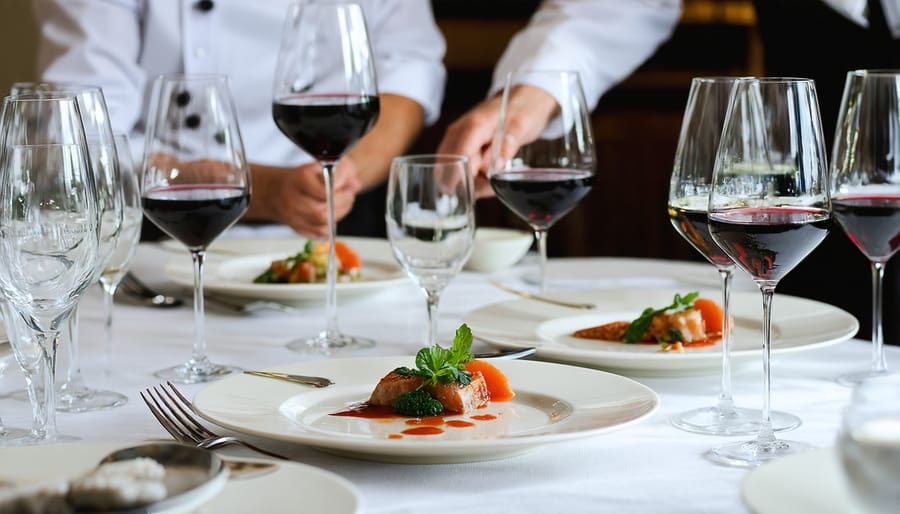
The sommelier’s expertise extends beyond simple flavor matching. They must consider the progression of wines throughout the meal, ensuring each pairing builds upon the last while maintaining palate freshness. Temperature, serving order, and even glassware selection play crucial roles in this carefully choreographed dining experience.
Seasonal changes present both challenges and opportunities. As chefs adjust their menus to showcase the finest seasonal ingredients, sommeliers must adapt their wine selections accordingly. A summer menu featuring bright, garden-fresh produce might inspire pairings with vibrant Provençal rosés or aromatic Rieslings, while autumn’s heartier dishes might call for complex Burgundies or aged Barolos.
The most successful partnerships between sommeliers and chefs are built on mutual respect and understanding. Through regular tastings and open dialogue, they develop a shared language of flavor that translates into memorable dining experiences. This synergy allows them to push boundaries and create unexpected combinations that surprise and delight even the most discerning palates.
Behind the Scenes
At an exclusive wine tasting event in Toronto’s prestigious Yorkville district, I witnessed the meticulous preparation that goes into creating the perfect environment for professional wine evaluation. Hours before guests arrive, sommeliers meticulously arrange their workspace, ensuring optimal lighting conditions and room temperature between 18-20°C (65-68°F).
The behind-the-scenes process begins with glass preparation – each varietal requires specific stemware, carefully polished to crystal clarity. Decanters stand ready, their shapes chosen to complement specific wines. Temperature-controlled cabinets maintain reds and whites at their ideal serving points, while water stations and neutral crackers are strategically placed for palate cleansing.
Professional tasters arrive early to calibrate their senses. Many abstain from coffee, strongly flavored foods, and perfumes for 24 hours before major tastings. They perform brief meditation exercises to clear their minds and conduct warm-up tastings with neutral wines to prime their palates.
During high-profile events, sommeliers work in carefully choreographed sequences. While one presents and discusses wines, others monitor serving temperatures, manage decanting times, and prepare the next flight. Hidden from view, assistants maintain detailed digital logs of guest preferences and tasting notes, which inform future event curation.
The most fascinating aspect is the real-time collaboration between wine professionals and culinary teams. Chefs receive constant feedback about wine progression, allowing them to make subtle adjustments to food pairings. This dynamic interplay ensures that each course complements its accompanying wine perfectly.
Professional tasters also maintain extensive personal journals, documenting not just flavor profiles but atmospheric conditions, glass types, and serving temperatures that influence wine perception. These detailed records become invaluable resources for future tastings and contribute to the evolving understanding of wine appreciation.
The Impact on Toronto’s Wine Culture
Elevating Local Wine Knowledge
Toronto’s wine culture has flourished under the guidance of passionate sommeliers who serve as both educators and ambassadors of fine wines. These professionals have transformed the city’s appreciation for wine through carefully curated tastings, educational events, and personalized recommendations at the city’s premier establishments.
At exclusive venues like Alo and Canoe, sommeliers conduct intimate wine education sessions where guests explore carefully selected flights that showcase different regions, varietals, and vintages. These expertly guided experiences help enthusiasts develop their palates while learning about wine history, production methods, and proper tasting techniques.
The city’s top sommeliers regularly host wine appreciation seminars at venues ranging from upscale hotels to boutique wine bars. These events often feature prestigious producers from both established and emerging wine regions, offering attendees rare opportunities to sample exceptional vintages while gaining insights into terroir, vintage variations, and food pairing principles.
Many sommeliers have expanded their influence beyond restaurant walls through private consulting services, where they assist collectors in building distinguished wine cellars and organizing exclusive tasting events. This personalized approach helps wine enthusiasts develop deeper connections with their preferred wines while discovering new favorites under expert guidance.
Social media has become another powerful platform for Toronto’s wine professionals to share their knowledge. Through engaging content and virtual tastings, sommeliers reach broader audiences, democratizing wine education while maintaining the sophistication that wine appreciation demands.
The impact of these educational efforts is evident in Toronto’s evolving wine scene, where diners increasingly demonstrate sophisticated knowledge of wines and confident pairing choices. This elevated wine culture has positioned Toronto as a respected destination for wine enthusiasts, with sommeliers continuing to shape the city’s refined palate through their dedication to education and excellence.
Shaping Restaurant Wine Programs
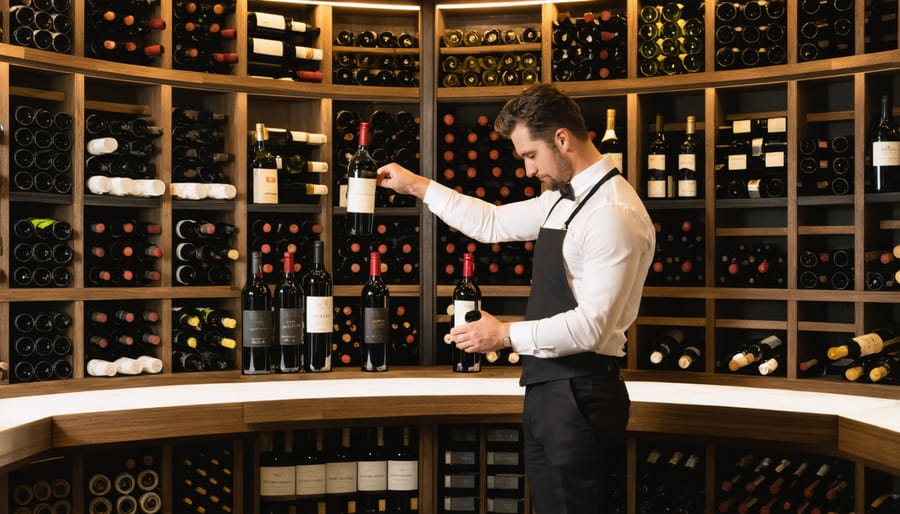
Professional wine tasters play a pivotal role in crafting the sophisticated wine programs that define Toronto’s finest restaurants. These seasoned experts work closely with sommeliers and restaurateurs to curate distinctive collections that elevate dining experiences, particularly in exclusive private dining rooms where discerning patrons expect exceptional wine service.
The process begins with rigorous tastings where professionals evaluate hundreds of wines annually, considering not only individual merit but also how each bottle complements specific menu offerings. These experts assess factors such as vintage variation, aging potential, and price-to-quality ratio while maintaining awareness of current market trends and emerging wine regions.
Toronto’s most respected wine programs often reflect a careful balance between Old World classics and New World discoveries. Professional tasters help restaurants maintain this equilibrium by identifying promising Canadian wines from Niagara and Prince Edward County alongside international selections. Their expertise ensures wine lists remain dynamic and relevant while honoring traditional preferences.
Beyond selection, these professionals contribute to staff education programs, conducting training sessions that enhance servers’ wine knowledge and presentation skills. They develop tasting notes and pairing suggestions that become valuable tools for both service teams and guests, fostering a more informed and engaging dining experience.
The impact of professional tasters extends to special events and wine dinners, where they collaborate with chefs to create memorable food and wine pairings. Their recommendations often influence seasonal menu changes and help restaurants maintain their competitive edge in Toronto’s sophisticated dining scene.
Through their refined palates and extensive knowledge, professional wine tasters help shape the very identity of Toronto’s premier restaurants, ensuring that each establishment’s wine program aligns with its culinary vision while meeting the expectations of an increasingly wine-savvy clientele.
In Toronto’s evolving culinary landscape, professional wine tasters have become indispensable architects of the luxury dining experience. Their refined palates and extensive knowledge bridge the gap between prestigious vintages and discerning guests, elevating every meal from mere sustenance to an orchestrated sensory journey.
These passionate experts work tirelessly behind the scenes at Toronto’s most exclusive establishments, curating wine lists that complement innovative menus and reflect the city’s cosmopolitan character. Their expertise extends beyond simple taste assessment; they serve as cultural ambassadors, storytellers, and trusted advisors to both restaurants and their patrons.
The impact of professional wine tasters resonates throughout Toronto’s high-end dining scene, from intimate wine bars in Yorkville to grand hotel restaurants along King Street West. Their contributions have helped position Toronto as a world-class dining destination, attracting wine enthusiasts and culinary tourists from across the globe.
As Toronto’s gastronomic reputation continues to flourish, the role of the professional wine taster grows increasingly vital. They not only maintain the standards of wine service excellence but also educate the next generation of sommeliers and enthusiasts, ensuring the city’s wine culture remains vibrant and sophisticated.
In the end, these dedicated professionals represent the perfect blend of artistry and expertise, their work essential to maintaining Toronto’s position at the forefront of North America’s luxury dining scene.