
Toronto’s popular foods tell the story of the city’s remarkable evolution from conservative British outpost to one of North America’s most dynamic culinary capitals. Peameal bacon sandwiches, Portuguese custard tarts, jamon croquetas, and Jamaican patties have all earned their place as signature dishes not through tourism boards or marketing campaigns, but through decades of immigrant communities establishing roots, opening restaurants, and gradually reshaping the city’s palate.
When I arrived in Toronto fifteen years ago, the conventional wisdom held that Montreal owned Canadian gastronomy. That narrative has shifted dramatically. Today’s Toronto food scene reflects something more compelling than mere trendiness: it represents the genuine integration of global techniques with local terroir, particularly evident in the urban farm-to-table movement transforming downtown rooftops into micro-vineyards and vegetable gardens.
Understanding Toronto’s popular foods requires looking beyond surface-level “ethnic eats” tourism. The city’s signature dishes have matured. Portuguese custard tarts now feature Ontario rhubarb. Korean-Canadian chefs are aging kimchi in Niagara wine barrels. Japanese izakayas source Lake Huron whitefish. This sophistication extends to wine pairings: I’ve watched sommeliers successfully match peameal bacon with skin-contact Georgian orange wines, and butter chicken with off-dry Riesling from Prince Edward County.
What follows is an exploration of Toronto’s essential foods through the lens of culinary craftsmanship and premium dining. Rather than simply listing where to find the cheapest patty or the most Instagrammable brunch, this guide examines how Toronto’s signature dishes have evolved, which chefs are elevating traditional preparations, and how discerning diners can experience these foods at their finest in 2026.
The Street Food Legacy: How Mobile Vendors Shaped Toronto’s Palate
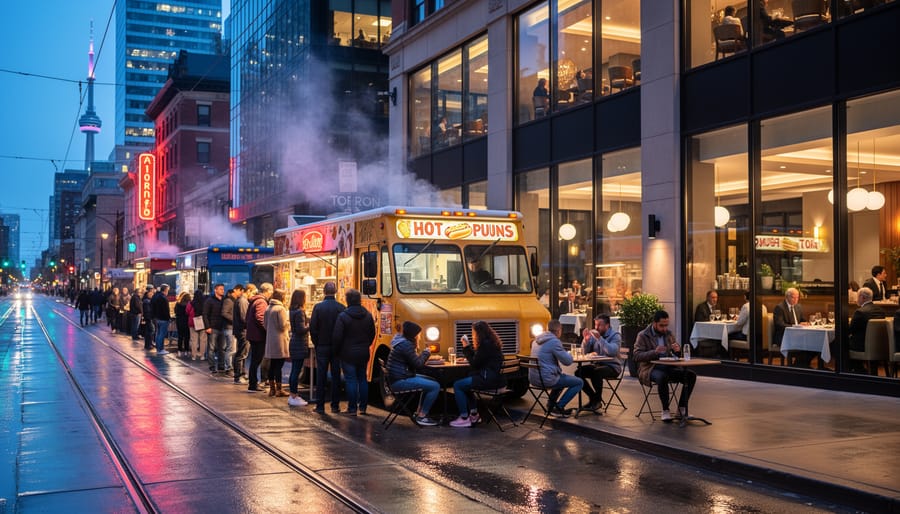
Toronto’s street food culture began not with permits and regulations, but with necessity. In the early 1900s, Italian and Jewish immigrants pushed wooden carts through working-class neighbourhoods, selling roasted chestnuts, pickles, and simple prepared meals to factory workers who had neither time nor facilities to cook. These vendors operated in legal grey zones, often moving locations to avoid inspectors, yet they laid the foundation for the city’s eventual reputation as a culinary crossroads.
By mid-century, the composition of vendors shifted alongside immigration patterns. Greek souvlaki stands appeared near the Danforth, while Portuguese churrasqueira carts brought flame-grilled chicken to Little Portugal. Chinese vendors introduced hand-pulled noodles and steamed buns in what would become Chinatown. Each wave of newcomers brought techniques, spices, and preparations that seemed exotic at the time but would eventually define what Toronto eats, dim sum, shawarma, jerk chicken, empanadas. These weren’t culinary trends manufactured by restaurateurs; they were survival businesses that happened to introduce unfamiliar flavours to a predominantly Anglo palate.
The 2009 pilot program that legalized food carts marked a turning point, though the real revolution came with full-scale food trucks launching around 2011. Suddenly, street food had branding, social media followings, and chef-owners with culinary school credentials. The new generation borrowed heavily from immigrant vendor traditions, tacos, banh mi, dumplings, but added premium ingredients, fusion concepts, and prix fixe menus. A street taco went from two dollars to eight, but came with organic masa and heritage pork.
This transformation rippled into Toronto’s fine dining establishments. Chefs who once dismissed street food as low-culture began recognizing the techniques behind perfectly rendered shawarma or hand-crimped dumplings. High-end restaurants started serving elevated versions: peameal bacon on house-baked brioche, duck poutine with three-year aged cheddar, bao buns filled with braised short rib. The irony is that many of these “innovations” were simply refinements of what immigrant vendors had been doing for decades with fewer resources.
Today’s Toronto dining scene owes more to those early pushcart operators than most menus acknowledge. The city’s popular foods, the dishes locals insist visitors must try, nearly all trace back to street-level immigrant commerce. What changed was not the food itself, but who was cooking it, where it was served, and how much people were willing to pay.
Peameal Bacon Sandwiches: Toronto’s Breakfast Icon
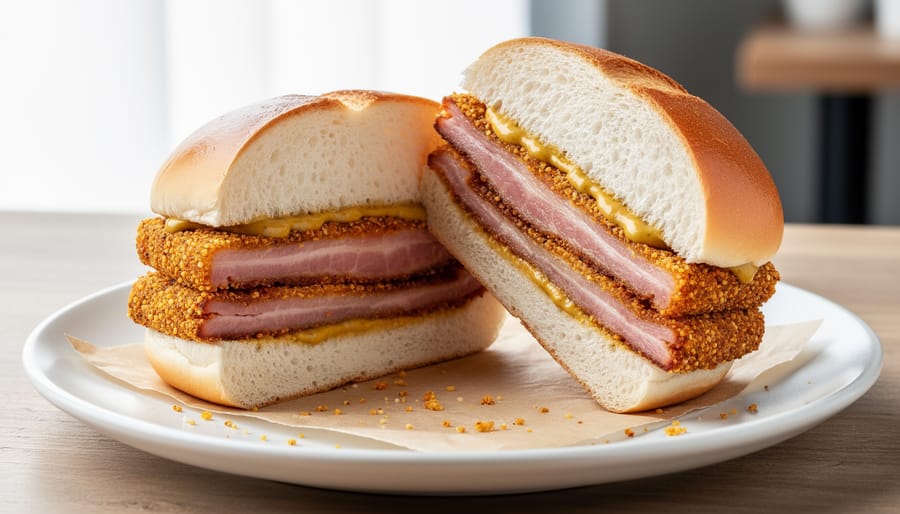
The peameal bacon sandwich emerged in the 1940s at St. Lawrence Market, where vendors served piled-high rounds of cornmeal-crusted pork loin on plain white buns to workers arriving before dawn. Back then, it was fuel, cheap, filling, no frills. The curing method itself dates to the 1850s, when Toronto pork packers rolled lean pork loin in ground yellow peas to preserve it for export to Britain. By the mid-twentieth century, cornmeal replaced peas, but the name stuck.
Walk into Carousel Bakery today and you’ll still find that straightforward approach: bacon seared on a flat-top until edges caramelize, tucked into a Kaiser roll, maybe mustard if you ask. It is deeply satisfying in its simplicity. Yet over the past decade, Toronto’s top brunch destinations recognized what made peameal compelling, the balance of sweet cure, savoury crust, and tender interior, and began sourcing heritage-breed pork from Ontario farms like Beretta Organics and Pine River Ranch. These cuts carry more marbling and pronounced flavour than commodity loin, transforming the sandwich from sustenance to genuine craft.
At The Chase on the Financial District’s rooftop, chef Michael Chung serves house-cured peameal sliced thick, seared to order, and finished with a glaze of Ontario maple syrup reduced with bourbon. The cornmeal crust crisps into something closer to a crackle, and the pork, from Berkshire hogs raised in Wellington County, tastes like actual pork, not just vehicle for smoke. It arrives on brioche with grainy Dijon, pickled ramps, and a side of roasted fingerlings. The preparation honours tradition while refusing to be bound by it.
Beverage pairings have evolved alongside the food. Where coffee once sufficed, bartenders now reach for Canadian whisky, Crown Royal Northern Harvest Rye or Lot 40, which echoes the caramelized cure and cuts through richness. Craft breweries such as Bellwoods and Left Field produce malty amber ales that complement rather than compete with the pork’s sweetness.
The shift from market stall to white tablecloth reflects a broader culinary maturity. Toronto chefs recognized that elevating peameal bacon didn’t require reinvention, just better pork, precise cooking, and respect for what made it iconic in the first place.
Shawarma and Middle Eastern Fare: From Street Corners to Culinary Sophistication
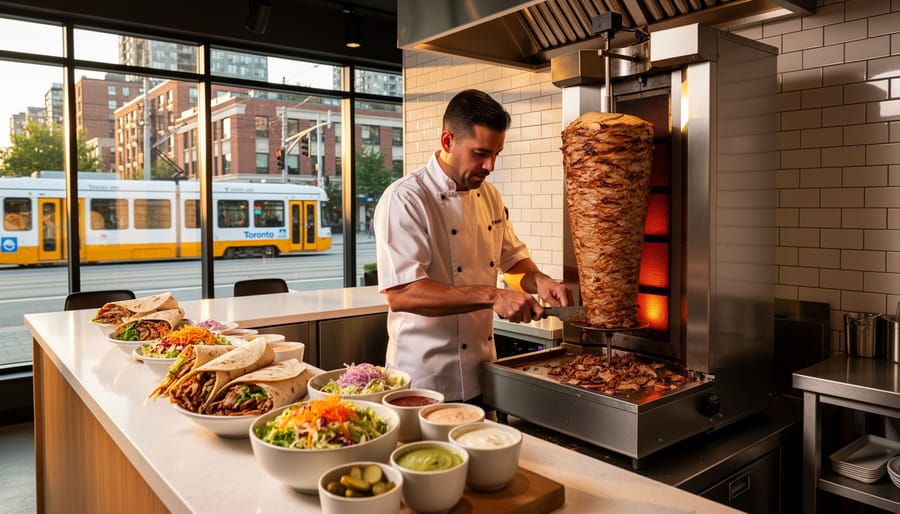
Toronto’s shawarma scene began in the 1970s with Lebanese and Syrian immigrants operating modest shops in the city’s west end, serving chicken or lamb carved from vertical spits to late-night crowds. By the early 2000s, shawarma had become the default post-bar meal, available at dozens of no-frills counters where speed trumped refinement. Today, a new generation of chefs has reimagined this street staple, elevating traditional preparations with premium sourcing, house-blended spices, and techniques borrowed from fine dining kitchens.
The transformation starts with ingredients. High-end establishments now source Ontario-raised lamb and heritage-breed chicken, marinating proteins for 24 to 48 hours in complex spice blends that go far beyond the generic shawarma seasoning found in commercial kitchens. Chefs toast whole cumin, coriander, and cardamom seeds before grinding them fresh, then add Aleppo pepper, sumac, and saffron threads for depth. Some incorporate fermented garlic or preserved lemon into their marinades, techniques that add layers of umami and acidity impossible to achieve with standard preparations.
The cooking method itself has evolved. While traditional street vendors rely on gas-fired vertical rotisseries, refined restaurants now use charcoal grills or wood-fired ovens to finish their shawarma, adding smoke and char that complement the spice profiles. I have watched chefs at upscale Middle Eastern restaurants baste rotating meat every twenty minutes with clarified butter infused with za’atar, creating a caramelized exterior that shatters on contact.
Presentation reflects this elevated approach. Instead of wrapping meat in pita with standard tahini and garlic sauce, contemporary establishments serve shawarma family-style on ceramic platters, accompanied by house-made flatbreads blistered in wood ovens, pickled turnips fermented in-house, and multiple sauce options including toum whipped to the consistency of mayonnaise and tahini brightened with fresh lemon juice. Premium versions incorporate toppings like sumac-dusted heirloom tomatoes, Persian cucumber ribbons, and fresh herbs from vertical farms.
The beverage programs at these restaurants match the sophistication of the food. Sommeliers recommend Lebanese and Israeli wines, Château Musar reds with lamb shawarma, or Galilee whites with chicken, alongside craft cocktails featuring arak, pomegranate molasses, and rose water. What began as humble street food has become a vehicle for exploring the full spectrum of Middle Eastern culinary tradition.
Tacos and Latin American Street Foods: Toronto’s Taqueria Renaissance
Toronto’s taco scene has undergone a remarkable transformation over the past decade, evolving from simple street-side operations into sophisticated dining destinations that honour Mexican culinary traditions while pushing creative boundaries. What began as a handful of food trucks serving quick lunches has blossomed into a taqueria renaissance, with chef-driven establishments sourcing heritage corn varieties from Oaxaca and building relationships directly with sustainable ranchers and fisheries. The city’s best taquerias now grind their own masa daily, nixtamalizing heirloom corn to create tortillas with depth and character that transport diners far beyond the generic flour wrappers of years past.
This evolution extends beyond the kitchen. Premium taquerias and mezcalerías have introduced Toronto diners to the nuanced world of craft agave spirits, transforming perceptions of Mexican beverages from shooters with salt and lime to contemplative sipping experiences. The spirits programs at these establishments rival the wine lists of fine dining restaurants, featuring small-batch productions from family distilleries across Mexico’s diverse agave-growing regions.
- Mezcal Artesanal
- Small-batch spirit produced using traditional methods with wild or cultivated agave, typically roasted in underground pit ovens and crushed with stone wheels. Each production reflects the terroir of its region and the distiller’s heritage techniques.
- Nixtamalization
- Ancient Mesoamerican process of treating corn with alkaline solution (traditionally lime water) before grinding, which enhances flavour, aroma, nutrition, and creates the distinctive taste of authentic tortillas.
- Añejo Tequila
- Premium tequila aged one to three years in oak barrels, developing complex notes of vanilla, caramel, and spice that pair beautifully with rich mole sauces and grilled meats.
- Comal
- Traditional flat griddle used for toasting spices and cooking tortillas, essential equipment in authentic taquerias where proper heat application creates the characteristic char and texture.
The authenticity debate remains central to Toronto’s taqueria culture. The most respected establishments walk a careful line, honouring regional Mexican techniques while incorporating local Ontario ingredients when seasonally appropriate. A birria taco might feature heritage-breed lamb from a farm two hours north, braised in imported dried chilies and served with consommé enriched by bone broth traditions. Tostadas showcase Lake Erie pickerel prepared ceviche-style with citrus, cilantro, and serrano chilies. These innovations work because they respect the fundamental principles of Mexican cuisine rather than treating it as a canvas for arbitrary fusion.
The beverage pairings extend beyond agave spirits. Sommeliers at high-end taquerias have discovered that certain natural wines complement the bright acidity and heat of Mexican flavours remarkably well. A funky orange wine can match the complexity of mole negro, while a chilled Grüner Veltliner cuts through rich carnitas with refreshing precision. The city’s Latin American food scene has matured into something sophisticated yet soulful, where popular street foods receive the respect and refinement they deserve without losing their essential character.
Asian Street Food Elevated: Bao, Dumplings, and Regional Specialties
Toronto’s Asian street food scene has undergone a remarkable transformation, with chefs elevating humble cart staples into refined culinary experiences without sacrificing the soul of tradition. The city’s best establishments source premium ingredients, heirloom wheat for hand-pulled noodles, heritage pork for char siu, pristine shrimp from sustainable fisheries, while honouring the techniques passed down through generations.
At the forefront of this movement are artisanal dumpling houses where fillings go beyond standard pork and chive. Think Kurobuta pork with foraged mushrooms, or Dungeness crab with ginger and XO sauce, each wrapper rolled to translucent perfection. The dough itself becomes a statement: some chefs mill their own flour blends, adjusting hydration and kneading times to achieve that ideal texture, tender yet resilient. For soup dumplings, the broth inside might incorporate bone marrow or truffle oil, a far cry from the pedestrian versions found elsewhere.
Hand-pulled noodles have similarly evolved. Watching a skilled noodle master stretch dough into gossamer strands remains mesmerizing, but the preparation has grown more sophisticated. La mian now appear in rich bone broths simmered for 18 hours, topped with sous-vide duck breast or slow-braised oxtail. The chili oil drizzled over these bowls might contain 20 ingredients, each carefully toasted and ground to release maximum flavour.
Bao have become canvases for culinary creativity while respecting their Taiwanese origins. Steamed buns arrive pillowy and warm, filled with everything from traditional braised pork belly with pickled mustard greens to more adventurous combinations like miso-glazed black cod or Korean-style fried chicken with kimchi mayo. The bun itself matters: premium establishments use Japanese milk bread techniques, creating a texture so soft it practically melts.
For beverages, pairing becomes an art. Delicate soup dumplings shine alongside dry junmai sake, its clean minerality cutting through rich pork fat. Hand-pulled noodle dishes with chili oil demand crisp German Riesling or off-dry Gewürztraminer to tame the heat. Char siu bao pairs beautifully with aged sake or even Beaujolais, the wine’s bright acidity complementing caramelized pork. Soju cocktails, infused with yuzu, lychee, or Korean pear, offer a playful alternative that bridges tradition and innovation, much like the food itself.
Poutine: Quebec’s Gift to Toronto’s Culinary Scene
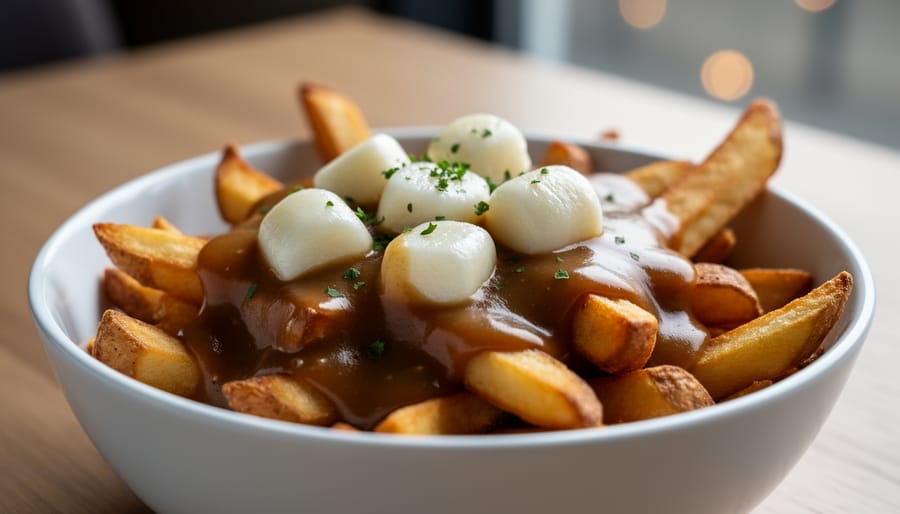
I first encountered elevated poutine at a boutique bistro in Yorkville, where the dish arrived under a silver cloche. The kitchen had transformed Quebec’s late-night staple into something worthy of the white tablecloth beneath it, yet the essence remained intact, hand-cut fries, squeaky curds, and rich gravy that pooled in all the right places.
The difference lies in execution and provenance. Premium poutine begins with the cheese curds, ideally less than 24 hours old from Quebec dairies. These curds should squeak audibly against your teeth, a textural signature that signals freshness and proper acidity. The fries demand attention too: twice-fried russets or fingerlings, each piece golden and structurally sound enough to support what comes next. Artisanal gravies have replaced the standard brown sauce, with chefs building depth through veal stock reductions, caramelized mirepoix, and finishing touches of butter or wine.
Then come the luxury toppings that separate casual versions from fine dining interpretations. Seared foie gras adds silken richness, its fat melting into the gravy. Shaved black truffle brings earthy complexity that justifies the premium price point. Braised short rib, falling-apart tender after hours of slow cooking, transforms poutine into a complete meal. Some establishments incorporate farm-fresh ingredients like roasted heirloom carrots or wilted greens, bridging comfort food with contemporary sensibilities.
Beverage pairings elevate the experience further. Craft IPAs cut through the richness with hoppy bitterness, while malty brown ales complement the caramelized notes in the gravy. For wine enthusiasts, Burgundy offers surprising harmony, a village-level Gevrey-Chambertin matches the earthiness of mushroom-topped versions, while Chassagne-Montrachet’s texture works beautifully with foie gras variations. The pairing shouldn’t fight the dish’s inherent richness but rather find balance within it, allowing both food and wine to shine without overwhelming the palate.
Where to Experience Toronto’s Popular Foods at Their Finest
Discovering Toronto’s popular foods in their most refined incarnations requires knowing where tradition meets culinary artistry. I’ve spent months exploring establishments that honour the essence of these dishes while elevating every component through thoughtful sourcing, meticulous preparation, and sophisticated presentations.
| Establishment | Signature Dish | Ambiance | Beverage Program |
|---|---|---|---|
| Carousel Bakery | Classic peameal bacon sandwich | Historic market stall | Local craft beer pairings |
| Parallel Brothers | Lamb shawarma with house-made labneh | Contemporary Middle Eastern lounge | Lebanese wine selection, craft cocktails |
| Quetzal | Heritage corn tortillas, mezcal-braised proteins | Intimate Mexican taqueria | 100+ agave spirits, natural wines |
| DaiLo | Cantonese-inspired bao with premium proteins | Upscale Asian fusion | Curated sake, international wine list |
| Chez Tousignant | Duck confit poutine, Comté aged cheese curds | Refined Québécois bistro | French-focused wine program |
At St. Lawrence Market, Carousel Bakery remains the definitive peameal experience. I watched as they sliced cornmeal-crusted pork loin to order, griddled it until caramelized edges formed, and nestled it into a Kaiser bun with nothing more than a swipe of yellow mustard. The simplicity demands perfection in execution, which they deliver consistently.
For shawarma with sophistication, Parallel Brothers transforms this street staple through house-ground spice blends and rotisserie technique that achieves ideal char without drying the meat. Their sommelier recommended a Château Musar red that complemented the cumin and garlic notes beautifully. The space itself channels Beirut cafe culture with contemporary Toronto sensibility.
Quetzal on College Street represents everything I seek in elevated Mexican cuisine. Chef Julio Guajardo hand-presses tortillas from heirloom corn varieties, sourcing proteins from Ontario farms that practice regenerative agriculture. During my last visit, he paired octopus tacos with a rare mezcal from Oaxaca, explaining the terroir similarities between the agave and the accompanying mole verde. This attention to provenance extends to their rooftop garden dining approach, where seasonal herbs and edible flowers appear as garnishes hours after harvest.
DaiLo pushes Asian street food into fine dining territory without losing soul. Nick Liu’s bao feature Berkshire pork belly or seared foie gras, balanced by house-pickled vegetables and micro-herbs. The beverage director steered me toward a junmai daiginjo sake that cut through the richness while amplifying umami depths.
For poutine that justifies linen napkins, Chez Tousignant uses hand-cut fingerling potatoes, authentic squeaky cheese curds from Quebec, and a demi-glace that requires two days of reduction. Their Burgundy selection includes several premier cru options that pair surprisingly well with this comfort classic, proving that popular foods in Toronto deserve serious wine consideration.
Toronto’s popular foods tell a story far richer than any single dish can convey. From peameal bacon sandwiches that fortify early-morning market vendors to shawarma wraps that fuel late-night adventures, these foods map the city’s immigrant journeys, working-class roots, and relentless creative spirit. What makes Toronto exceptional isn’t simply the diversity on every corner, but how the city has refused to choose between authenticity and refinement. Street food integrity coexists with sommelier-selected pairings, hand-pulled noodles share menus with natural wines, and a perfect poutine can arrive topped with foie gras without losing its soul.
This marriage of grassroots tradition and culinary sophistication defines Toronto in 2026. The best establishments honour their origins while pushing boundaries, sourcing heirloom corn for tacos or aging cheese curds to precise specifications. They draw inspiration from secret rooftop gardens and collaborate with artisans who understand terroir as deeply as any winemaker. Exploring these popular foods means more than satisfying hunger. It’s an education in how a city evolves, how cultures layer and influence one another, and how respectful innovation elevates rather than erases tradition. Whether you’re pairing shawarma with Niagara Riesling or discovering seasonal pairing ideas for elevated poutine, you’re participating in Toronto’s ongoing culinary conversation, one delicious bite at a time.